무엇을 찾고 계신가요?

Nothing ruins an oiling routine faster than oil dripping down your forehead, sticky hands. The best bottle for hair oiling parts hair, delivers oil where needed. A hair oil bottle with comb applicator is one top choice; a glass dropper bottle with a pointed tip is another. Both designs separate strands and place droplets on roots. Precise application matters. It provides controlled dosage, reduces waste, improves coverage. It keeps the routine clean. Without accuracy, your scalp misses nourishment while your hairline gets overloaded. Focus on precise scalp application every time. Custom hair oil bottles work best when you match the tip to your oil's thickness and hair type. A thoughtful pick saves product.
Choose an applicator that matches your oil's thickness: droppers for thin oils, comb tips for thick oils.
Precise application saves product, reduces waste, and keeps your routine clean and hygienic.
Glass bottles, especially amber or cobalt, protect oil from UV damage and chemical reactions.
Clean your applicator bottle regularly to prevent clogs and maintain hygiene.
Section your hair and use the right amount of oil for effective scalp treatment without greasiness.
A quality hair oil bottle changes your entire routine. Precise application delivers the right amount of product to your scalp without waste. You control the dosage with every squeeze or drop. This control saves money over time. It also prevents over-oiling, which weighs down hair and attracts dust.
Hygiene plays an equally important role. Dipping fingers into open jars introduces contaminants. Your fingers carry sebum, bacteria, and dirt from surfaces like smartphones and keyboards. Even washed hands can transfer Cutibacterium acnes into pores, causing breakouts or irritation. Jar packaging is especially vulnerable because repeated finger contact exposes contents to higher microbial loads than sealed pumps or tubes. In warm, humid climates, bacterial growth accelerates. A sealed hair oil applicator bottle with a pump or dropper eliminates this risk entirely. You never touch the product directly. The container stays clean between uses.
Professionals and users agree on which features matter most for scalp treatments. The table below summarizes their input.
|
Source |
Role |
Cited Feature(s) |
|---|---|---|
|
Dr. Pablo Cirino |
Trichologist & Hair Transplant Surgeon |
Professional-grade technology backed by clinical research |
|
Mahaz Alam |
Assistant Trichologist |
Fine micro mist for faster, more even distribution |
|
Dr. Fernanda Paes |
Clinical Scalp Specialist |
Smooth glide through hair; super-fine mist to scalp |
|
Dr. Omar Aurakzai |
Dermatologist & Hair Transplant Surgeon |
Reduced waste; easier targeting of specific areas |
|
Kai |
User review |
No messy hands during application |
|
Elena |
User review |
Easier daily rosemary oil routine |
These features point to one conclusion. A good hair oil bottle applicator combines controlled dispensing with ease of application. Look for a leak-proof design that travels well. Check that the tip reaches your scalp without saturating hair strands. The right oil applicator bottle makes daily use simple and clean.
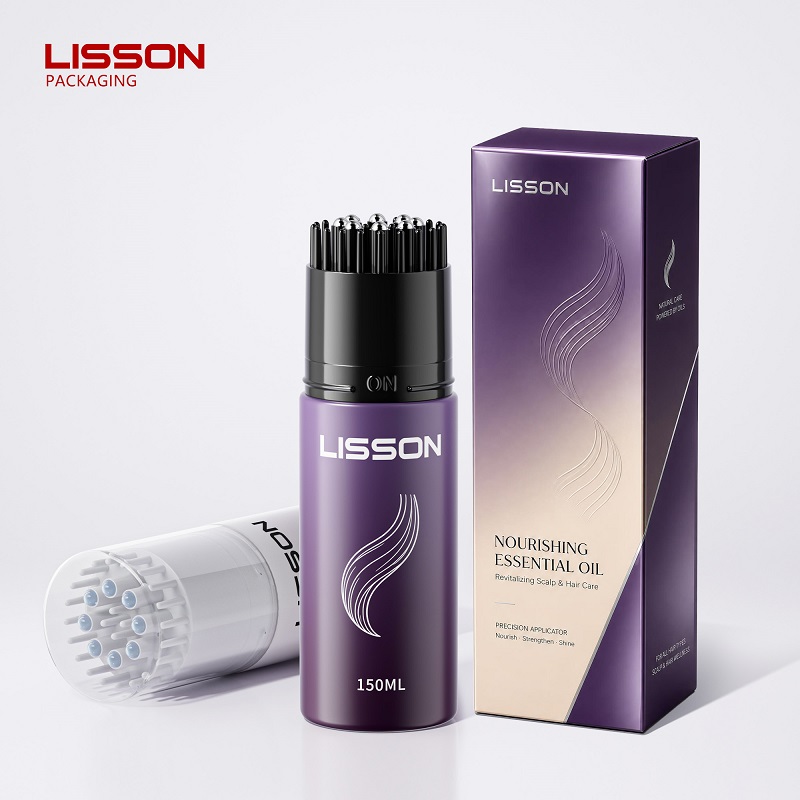
You have several types of hair oil applicator bottles to pick from. Each design solves a different problem. A dropper bottle gives you the most control for thin oils. Glass dropper bottles with pointed tips let you place one drop exactly where you want it. An aluminum dropper bottle also provides controlled and precise dispensing.
A hair oil bottle with comb applicator suits thick oils and curly hair. The comb teeth part your strands while hollow channels release oil onto your scalp. This design detangles and oils at the same time. A comb applicator plastic cosmetic bottle often comes with a glossy finish and metal cover. It looks good on your shelf and works hard during your routine.
Nozzle designs give you another option. A twist-top slant-tip bottle lets you apply oil along your part line. A nozzle tube uses nozzle-based dispensing for direct delivery. These tips reach your roots without soaking your lengths.
Plastic squeeze bottles with graduated scales help you measure how much oil you use. You squeeze the bottle and oil flows through a narrow pointed nozzle. This design works for part-by-part scalp oiling. It is budget-friendly and travel-friendly.
The table below compares the main types of hair oil applicator bottles.
|
Category |
Description |
Best For |
|---|---|---|
|
Comb Applicator Bottle |
Releases oil through hollow comb teeth while brushing the scalp |
Thick oils (castor, coconut) and curly/textured hair; detangles while oiling |
|
Multi-Spout Applicator Bottle |
Multiple small outlets distribute oil across the scalp simultaneously |
Quick scalp coverage without repeated sectioning; medium to long hair |
|
Squeeze Bottle with Nozzle |
Narrow pointed nozzle provides controlled, precise oil placement |
Part-by-part scalp oiling; budget-friendly and travel-friendly |
|
Dropper Bottle |
Allows precise oil measurement and targeted application |
Lightweight oils (argan, rosemary) and serum-style scalp treatments |
|
Roller Ball Bottle |
Releases oil gradually while massaging the scalp |
Scalp massage routines, essential oil blends, improved absorption |
A multi-spout scalp applicator bottle covers more area in less time. You do not need to section your hair repeatedly. A multi-spout applicator bottle works best for medium to long hair. A roller ball bottle releases oil gradually while you massage. This design improves absorption and suits essential oil blends.
When you compare types of hair oil applicator bottles, think about your oil's thickness. Thin oils flow fast through dropper bottles. Thick oils need a comb tip or wider nozzle. A custom hair oil bottles set lets you try different tips for different products. You can keep one applicator bottle for hair oiling at night and another for quick morning touch-ups. The right oil applicator bottle makes every session cleaner and more effective.
Start comparing hair oil bottles with material and size in mind. Glass stays chemically inert. It does not react with oils, so your product remains pure. Plastic, even BPA-free, can leach trace chemicals over time. Glass also blocks oxygen. Some plastics have tiny molecular gaps, and air seeps through to oxidize your oil. One brand learned this. Its plastic packaging let air in, and customers reported turbid oil. Glass fixed it.
Amber glass deserves attention. Its hue absorbs ultraviolet light, and UV rays break unsaturated bonds in hair oil, triggering oxidation. Ordinary transparent glass shows significantly increased peroxide values after one month. Amber glass keeps values stable even after three months. Clear glass offers no UV protection, so store it in a dark cabinet. Cobalt blue glass provides another option.
Size matters too. A 1–2 oz hair oil bottle suits travel. A 4 oz bottle works for regular daily use. An 8 oz or larger bottle handles bulk storage. Match size to usage frequency. If you oil your scalp nightly, buy bigger. Many brands offer custom hair oil bottles in multiple sizes.
|
Attribute |
Glass |
BPA-Free Plastic |
|---|---|---|
|
Chemical resistance |
Does not interact with oils |
Leaching risk remains |
|
UV protection |
Amber and cobalt blue block UV |
No inherent UV protection |
|
Weight |
Heavier, more fragile |
Lightweight, easy to carry |
|
Cost |
More expensive |
Cost-effective for bulk |
|
Reusability |
Cleanable, reusable |
Not highlighted as reusable |
Oil thickness, or viscosity, determines every downstream choice. Lightweight oils like jojoba, argan, and grapeseed flow quickly. They work best in dropper bottles with fine tips, letting you place one drop exactly on the scalp. Essential oil blends also suit glass dropper bottles. Heavy oils like castor, coconut, and olive move slowly. A pump cap dispenses thick formulas without mess. Roller balls release heavy oil gradually.
Thick oils pair well with a hair oil bottle with comb applicator. The teeth part your strands, and hollow channels deliver oil to the roots. This design suits curly or textured hair. A multi-spout applicator covers more area quickly. A squeeze bottle with a pointed nozzle handles part-by-part application.
Viscosity determines everything downstream: material choice, closure type, and dispensing method. Lightweight oils need a clear PET bottle with a dropper. Heavy oils need an opaque HDPE bottle with a pump.
When you understand viscosity, choosing an applicator bottle for hair oils becomes simple. Clear PET suits lightweight formulas, while opaque HDPE resists degradation from heavy oils. Avoid PVC entirely; it can degrade and release hazardous substances. Verify leak-proof seals before filling. A quality oil applicator bottle protects your investment. An oil applicator bottle with a multi-spout tip covers more area in less time.
Your decision on how to choose the best bottle for hair oiling should also consider hair oil packaging as a whole. The best bottle for hair oiling balances protection, precision, and practicality. Good hair oil bottles feel comfortable in your hand. A hair oil applicator bottle must reach your roots without dripping. Choose a hair oil applicator bottle with graduations for easy measuring. An applicator bottle for hair should have a tip matching your oil's flow.
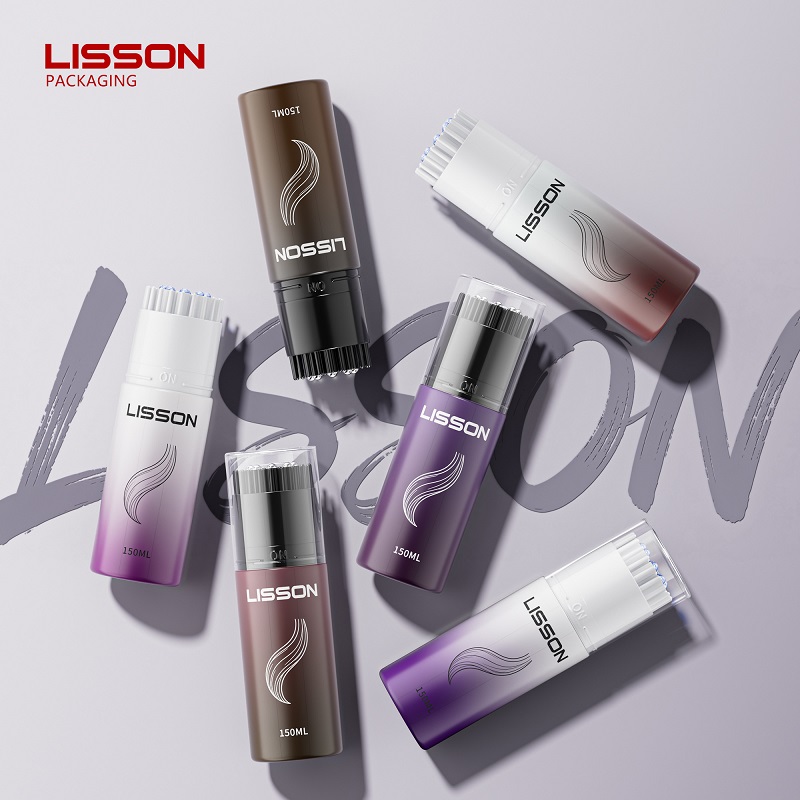
Learning how to use a hair oil applicator becomes simple with a repeatable routine. Start by sectioning your hair into four to six parts. This exposes the scalp and makes every area reachable. Dispense a small amount of oil directly onto each exposed section with your oil applicator bottle. A dropper or fine-tip nozzle gives you controlled amounts without oversaturating your strands.
Massage gently with your fingertips, not your nails, for two to three minutes in small circles. Leave the oil on for at least 15 minutes. Longer dwell times allow more absorption. Shampoo thoroughly afterward, lathering twice if needed. This method supports precise scalp oiling and keeps your routine clean.
How much oil should you use? The table below offers guidance based on frequency.
|
Application Frequency |
Amount per Scalp Section |
Key Guidance |
|---|---|---|
|
Daily (problem areas only) |
A few drops per area |
Apply directly to scalp, not hair; massage 5 minutes |
|
3-4 times per week (most people) |
Enough to cover scalp but not dripping |
Section hair for thorough application; massage each section 1-2 minutes |
|
2-3 times per week (maintenance/straight hair) |
Lighter amounts |
Focus on scalp; massage thoroughly to avoid greasiness |
More oil does not mean more benefit. Start with one or two drops for finishing oil and build up. Excess oil cannot be undone once hair becomes greasy.
Clean your hair oil applicator bottle after every few uses. Warm soapy water dissolves most oil residue. For dropper tips, draw soapy water into the pipette and rinse well. Comb applicators need a small brush to clear hollow teeth. A toothpick works for nozzle clogs.
Store hair oil bottles upright in a cool, dark place. Amber glass protects oil from UV damage. Check seals regularly to prevent leaks. Replace worn droppers or caps promptly. Proper care extends the life of your applicator bottle for hair and keeps every session hygienic.
Your final decision rests on four factors: applicator type, bottle material, oil thickness, and cleaning ease. Thin oils perform best in dropper bottles. Thick oils flow better through a comb tip.
Most routines demand the best bottle for hair oiling: a glass dropper bottle with a pointed tip. A hair oil bottle with comb applicator works equally well. Both reach the scalp without drenching strands. Choose based on your oil’s consistency and weekly schedule.
Hair oil bottles should be easy to refill and wash. A clean oil applicator bottle prevents residue buildup. Match your purchase to your habits, and precise scalp application becomes second nature.
A hair oil bottle with comb applicator handles thick oils well. The hollow teeth part your strands and deliver oil straight to the roots. A squeeze bottle with a wider nozzle also works. Thin oils flow better through a fine-tip dropper instead.
No. Dropper bottles suit lightweight oils like argan and rosemary. Heavy oils move too slowly through a narrow pipette. Match the tip to your oil's viscosity. A pump cap or comb tip dispenses thick formulas without clogging.
Clean your bottle after every few uses. Warm soapy water dissolves most residue. Draw soapy water through dropper tips and rinse well. Use a small brush for comb teeth. A toothpick clears nozzle clogs. Store bottles upright in a cool, dark place.
Yes. Glass stays chemically inert and does not react with oils. Amber glass blocks UV light that triggers oxidation. Plastic can leach trace chemicals over time. Choose glass or BPA-free plastic for your hair oil bottles.
Start with a few drops per scalp section. Section your hair into four to six parts first. More oil does not mean more benefit. Excess oil makes hair greasy and cannot be undone. Build up gradually based on your hair's needs.