무엇을 찾고 계신가요?

Building a brand in skincare, cosmetics and personal care demands packaging with visual appeal, durability, and sustainability—all at a reasonable cost. PETG offers the perfect solution. Its glass-like clarity and shatterproof nature make it ideal. This lightweight property also lowers your carbon footprint. The material is widely recyclable, aligning with key 2025 eco-trends. As you research PETG cosmetic packaging, you will uncover its key properties, advantages versus other plastics, and market trends. For example, PETG thick wall bottles offer extra sturdiness. Lisson Packaging provides custom finishing to create distinctive jars and bottles for your brand. The material adapts seamlessly to any design.
PETG offers glass-like clarity and shatterproof durability for cosmetic containers.
PETG containers reduce shipping weight and breakage, lowering costs and carbon emissions.
PETG allows full customization with colors, finishes, and decorations for premium branding.
PETG balances recyclability and durability, supporting eco-friendly packaging goals.
PETG stands for polyethylene terephthalate glycol. Manufacturers add glycol during polymerization, and this step changes the molecular structure. The glycol reduces crystallinity and increases the spacing between polymer chains. As a result, the petg material bends without cracking and keeps a clear, shiny surface after molding. Stress whitening rarely appears during bending, so optical clarity survives the forming process.
The numbers behind these properties matter for your product line. Light transmission reaches 85–88% under ASTM D1003, and notched Izod impact measures 2.0–3.0 ft-lb/in under ASTM D256. Shrinkage stays between 0.5–0.7%, which helps you hold tight tolerances on threaded necks and caps. Flexural strength supports thin-wall designs, so a PETG eye cream bottle container stays rigid without extra weight. These traits make petg bottles a practical choice for serums, creams, and lotions that face repeated handling.
Standard PET offers high clarity and a glossy finish, yet it turns brittle under stress. PETG delivers crystal-clear, shiny surfaces with superior impact resistance. It absorbs shocks that would crack PET, and it resists stress cracking from oils, surfactants, and fragrances. Acrylic shatters far more easily, and PETG outperforms it by a wide margin on impact.
PP and HDPE fall short on transparency. PP earns its reputation for heat resistance, not clarity. HDPE carries a matte, opaque look. Neither material gives you the glass-like visibility that cosmetic packaging demands.
Processing separates the two polyesters as well. PET requires precise temperature control during thermoforming to avoid crystallization and hazing. PETG thermoforms at lower temperatures with less risk of crystallization, and it prints with good bed adhesion and minimal warping. That ease of molding lowers your scrap rate and speeds up production runs. You gain a material that looks luxurious and behaves reliably on the line.
You want your serum or cream to look as good on the shelf as it performs on the skin. PETG delivers that premium, glass-like look without the fragility of glass. The material produces a crystal-clear appearance with a smooth surface and a high-end feel. This visual effect mirrors glass and raises the perceived value of your product. PETG cosmetic packaging therefore gives you luxury presentation at a practical cost.
The difference against standard PET shows up in thick sections. PETG holds perfect optical clarity even in thick-walled designs. PET turns hazy in heavy sections because of crystallization. That is why PETG Thick Wall Cosmetic Bottles keep their clean look where PET would cloud over. Light transmission reaches 85–88% under ASTM D1003, and total transmittance exceeds 90% for 3 mm specimens with haze below 5%. Conventional PET shows haze of 15–25% from spherulite scattering. Your customer sees the difference immediately.
Impact resistance seals the advantage. Notched Izod impact measures 2.0–3.0 ft-lb/in under ASTM D256, or 50–150 J/m in metric terms. PET manages only 20–30 J/m. That gap means your PETG Mist Spray Bottle and PETG Flat Lotion Bottle survive drops that would crack or shatter a glass or acrylic container. You get excellent clarity, durability, and resistance to impact in one material.
Weight drives your freight bill, and breakage drives your returns. PETG solves both problems at once. A PETG container weighs far less than an equivalent glass jar, so you move more units per pallet and pay less per shipment. The lighter load also cuts fuel use and carbon emissions across the supply chain.
Shatterproof construction changes your risk profile. Glass breaks into sharp fragments during transit. PETG flexes and absorbs the shock instead. Your PETG Eye Cream Bottle Container and Twisted PETG Cosmetic Tube arrive intact after rough handling, and your team handles fewer damage claims. Customers also avoid the safety hazard of broken glass in a bathroom.
These gains compound across a full product line. Every cosmetic packaging unit you switch from glass to PETG trims shipping weight and eliminates a breakage category. The material stays recyclable, so the lighter footprint carries through to end of life. You protect your margin and your brand reputation together.
Your customers care about the environmental footprint of every product they purchase. PETG supports your sustainability story in several meaningful ways. The material's lightweight nature reduces shipping emissions across your supply chain. Its durability means fewer damaged products and less waste. These qualities position PETG as a strategic choice for brands pursuing sustainable packaging solutions in 2025.
The market trends for 2025 strongly favor materials like PETG. Regulatory frameworks, including the EU Circular Economy Action Plan, push brands toward recyclable, non-toxic materials. PETG's chemical stability and recyclability make it a compliance-friendly option. Consumer demand also drives this shift. Shoppers increasingly prefer transparent, recyclable packaging that aligns with their eco-conscious values. Major brands like L'Oréal and Estée Lauder have invested in PETG-based packaging for this reason.
|
Sustainability Trend |
How It Favors PETG |
|---|---|
|
Bio-based innovations |
New PETG formulations use renewable feedstocks like bio-ethylene glycol, cutting carbon footprint while keeping clarity and impact resistance |
|
Circular economy |
Chemical recycling and closed-loop systems allow high-quality recycled PETG to re-enter manufacturing |
|
Regulatory frameworks |
PETG's recyclability helps brands comply with plastic waste restrictions |
|
Consumer demand |
Transparent, recyclable packaging matches eco-conscious buyer preferences |
|
Smart packaging |
PETG's optical clarity supports embedded RFID tags and QR codes without compromising appearance |
|
Design innovation |
PETG enables complex geometries, digital printing, and refillable formats |
These trends point toward one conclusion. PETG delivers innovative and eco-friendly packaging solutions that meet both regulatory demands and consumer expectations.
You should understand PETG's recycling reality before making claims to your customers. PETG shares chemical similarities with PET, yet recycling programs treat them differently. Most municipal curbside programs accept PET (code 1) but not PETG. The two materials cannot process together in the same stream.
"PETG is chemically the same as PET, but is not processed in the same stream."
This distinction matters for your packaging strategy. Most packaging never gets recycled unless the majority of municipal programs accept it. PETG lacks the established end markets that PET enjoys. You should verify your local recycling infrastructure and communicate honestly with customers about proper disposal.
Despite these challenges, PETG remains a responsible choice. Its durability means fewer replacements and less overall waste. Its lightweight profile reduces transport emissions. When recycling infrastructure catches up, PETG will integrate seamlessly. For now, you can pair PETG containers with refillable programs or partner with specialized recyclers. Your PETG Thick Wall Cosmetic Bottles, PETG Mist Spray Bottle, and PETG Flat Lotion Bottle all offer this durability advantage. The material's long service life offsets its recycling limitations, making it a practical step toward circular packaging.
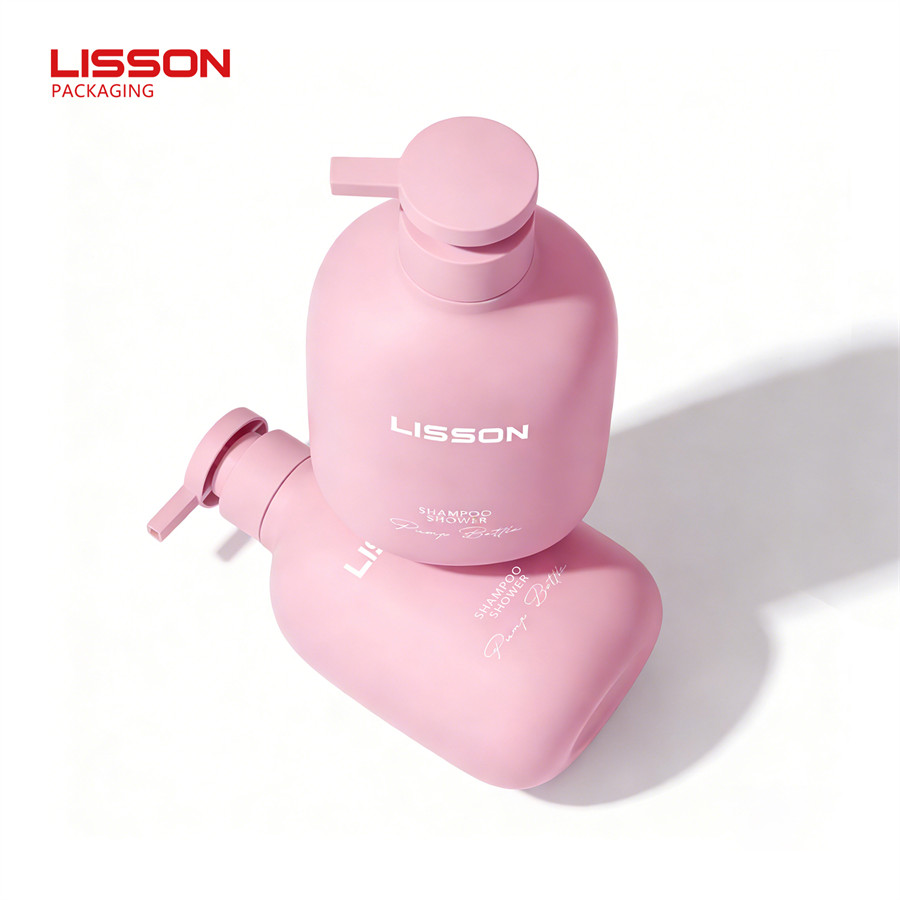
Your product line deserves containers that reflect quality. PETG cosmetic packaging delivers this advantage for skincare packaging. This material suits a wide range of skincare products. The 50g petg cosmetic jar shows this best. This petg cosmetic jar provides high impact toughness. It protects formulas with excellent barrier properties. Your active ingredients stay potent longer. The material resists alcohols, oils, and chemicals without cracking. This stability makes it reliable for premium formulations.
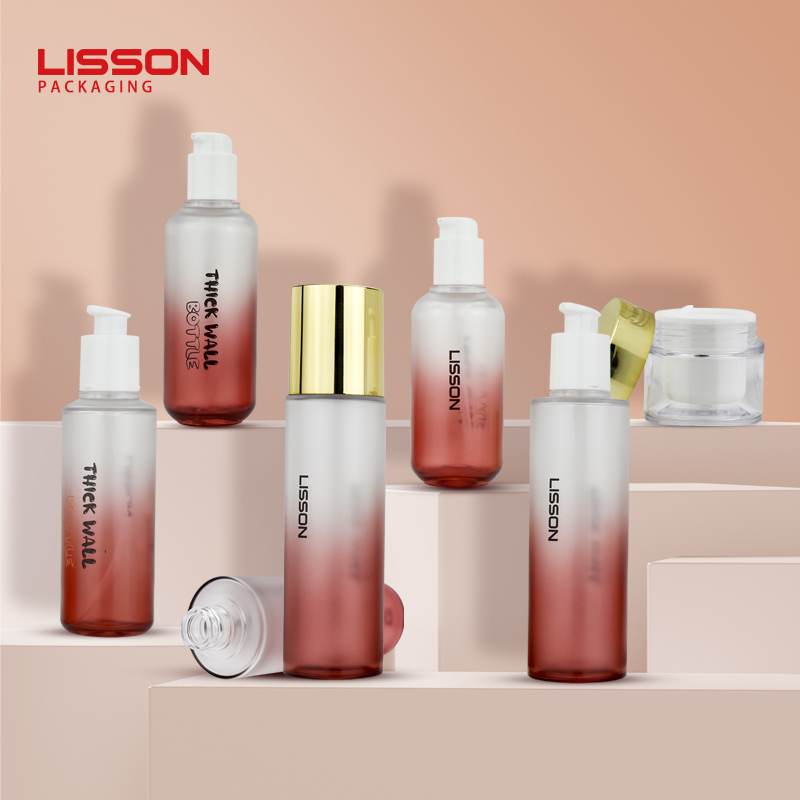
These petg cosmetic jars come in many formats to fit your product line. A petg cosmetic jar works beautifully for thick creams and balms. The Twisted PETG Cosmetic Tube offers an elegant option for serums and gels. A PETG Thick Wall Cosmetic Bottle provides extra sturdiness for premium lotions. A PETG Eye Cream Bottle Container fits targeted eye treatments perfectly. A PETG Mist Spray Bottle suits toners and facial mists effectively. A PETG Flat Lotion Bottle works well for daily moisturizers. These petg bottles deliver 85–88% light transmittance. Customers see product color and texture with glass-like clarity. This transparency builds trust at the point of sale. The material provides excellent barrier properties against moisture, air, and light. Your formulations stay stable throughout their shelf life.
Travel sizes expand your reach effectively. A 15g or 30g petg cosmetic jar fits airline regulations and sampling programs perfectly. Sharp-edged designs with geometric angles match modern minimalist aesthetics. The material delivers excellent moldability for these complex shapes. It flows into molds without hazing. Your containers for skincare stay clean and intentional. Petg cosmetic jars survive drops that shatter glass instantly. Products arrive intact at retail stores and customer doorsteps. For skincare and personal care brands, this reliability reduces returns and builds satisfaction. Petg bottles lower shipping weight dramatically. You save on freight costs. The combination of clarity and durability makes this material ideal for this purpose.
Your brand needs unique expression. The material supports extensive customization. Start with custom Pantone colors. A gloss finish showcases purity. A frosted finish protects light-sensitive formulas while adding elegance. Soft-touch coating creates memorable tactile appeal. Metallization gives an ultra-reflective, premium surface. These options add sophistication to any cosmetic jar.
Decoration techniques add depth and detail. Petg bottles accept high-definition silk-screen printing for logos and graphics. Premium hot stamping uses metallic foil for vibrant branding. Professional lacquering delivers custom colors economically with a smooth finish. Custom logo engraving creates a distinctive 3D textured presence. The smooth surface ensures excellent adhesion for all these methods. Your brand story comes through clearly in every detail.
These options work across your product range. A petg cosmetic jar features your logo in metallic foil. A PETG Mist Spray Bottle carries botanical art with precision. A PETG Flat Lotion Bottle displays gradient designs perfectly. Petg bottles support full-color printing across all formats. For applications in skincare and personal care, this customization sets you apart. The material adapts to personal care packaging effectively. It suits personal care products like lotions and sprays. It serves cosmetics containers with equal quality. You create a cohesive brand experience across your product line.
When you evaluate packaging costs, look beyond the unit price. Total cost includes raw materials, production, shipping, breakage, and returns. PETG offers clear advantages across this full spectrum.
The manufacturing process of petg bottles is efficient and cost-effective. Glass demands higher upfront investment. Raw materials and energy-intensive production raise costs. Specialized molds and longer cooling times add further expense. petg bottles' manufacturing process uses lower temperatures and faster cycles. This reduces energy consumption and scrap rates.
Shipping costs often surprise new brands. Packaging weight directly affects freight expenses. The material weighs roughly one-fifth of glass. This difference translates into real savings, especially for e-commerce. Carriers charge based on actual or dimensional weight. Lighter materials reduce both factors.
Breakage adds hidden costs. Losses can reach 3–5% for glass cosmetic packaging during filling, shipping, and retail handling. The material's shatter resistance eliminates these losses entirely. You save on replacement costs and avoid customer frustration.
The petg cosmetic packaging market is growing steadily. This growth reflects broader trends in the personal care industry.
Skincare and personal care brands are shifting toward sustainable materials. Consumers demand eco-friendly options that do not compromise on aesthetics. This plastic delivers both. Its glass-like clarity appeals to premium skincare packaging needs. Its lightweight, shatterproof nature suits modern supply chains.
Minimalist design trends favor such materials. Clean lines and transparent packaging allow the product itself to shine. You can create sharp-edged geometries and thin walls that glass cannot achieve. This design flexibility matters for skincare products that need distinctive shelf presence.
The personal care industry also benefits from compatibility with refillable systems. Brands looking to reduce waste can pair petg bottles with refill programs. This approach aligns with circular economy principles while maintaining premium appearance.
For personal care products like lotions, sprays, and creams, the material provides the perfect balance of form and function. You gain a solution that meets regulatory demands, consumer expectations, and production requirements simultaneously.
Lisson Packaging brings deep expertise to every stage of your project. The team handles custom tooling through private OEM and ODM mold builds. You also gain access to stock molds when speed matters most. Production covers injection molding, blow molding, extrusion-blow molding, and ultrasonic welding. These capabilities apply directly to petg bottles and jars across your full product range.
Decoration transforms a plain container into a branded asset. Lisson offers silk-screen printing, hot stamping with metallic foil, and spray coating in matte, frosted, or gradient finishes. Vacuum metallization creates an ultra-reflective surface. Water-transfer printing and heat-transfer printing add detailed graphics. Custom color matching ensures your petg cosmetic jar matches your brand palette exactly. You receive glass-like premium finishes that elevate every petg cosmetic jar and bottle you order.
|
Category |
Capabilities |
|---|---|
|
Custom Tooling |
Private tooling (OEM/ODM mold build), stock molds, injection molding, blow molding, extrusion-blow molding, ultrasonic welding |
|
Decoration |
Silk-screen printing, hot stamping (foil), spray coating (matte/frosted, gradient, clear top-coat), vacuum metallization, water-transfer printing (hydrographics), heat-transfer printing, aluminum anodizing |
Quality control protects your brand at every step. Lisson maintains ISO 9001:2015 certification with a scope covering molding. Incoming resin undergoes inspection with kept records. In-process checks measure dimensions and appearance at defined intervals. Final inspection follows an agreed AQL standard. The team uses calipers, gauges, and neck-finish gauges for dimensional accuracy. Leak testing, torque testing, and retained samples per lot complete the picture. Lot traceability lets you trace any finished carton back to a resin lot and production date.
Plastic Regulatory Testing: Performance & Compliance for Impact's New PETG — the source explicitly addresses PETG material within its Cosmetic Packaging market segment, confirming that PETG containers are subject to dedicated regulatory testing for performance and compliance in cosmetic applications.
Lisson supports both small and large brands with consistent output. Bulk production capacity handles high-volume orders for high-quality petg bottles. The company also serves emerging brands that need a reliable packaging solution at lower volumes. You gain a customized plastic packaging partner that scales with your growth. Every order ships with the same quality standards, whether you need one thousand units or one million. This packaging approach keeps your supply chain stable and your shelves stocked.
PETG cosmetic packaging delivers three core pillars for your brand. First, durability: impact resistance protects your products from breakage during shipping and daily use. Second, aesthetics: glass-like clarity and full customization options create premium shelf appeal. Third, sustainability: lightweight design and recyclability support your eco-friendly goals.
For skincare packaging and personal care products, PETG balances premium looks with practical performance. You gain a material that elevates your skincare line without the fragility of glass.
Contact Lisson Packaging today for tailored PETG solutions, free samples, or a consultation. See how this packaging can transform your product line.
PETG adds glycol during polymerization. This step reduces crystallinity and increases space between polymer chains. The material bends without cracking and keeps its clarity in thick sections. Standard PET stays clear in thin walls but turns hazy in heavy sections. PETG also resists stress cracking from oils and fragrances far better.
PETG shares chemical similarities with PET, but most curbside programs do not accept it. You should verify your local recycling infrastructure before making claims. The material's durability still reduces overall waste. Pair PETG containers with refillable programs or specialized recyclers for the best environmental outcome.
You can use petg bottles for serums, creams, lotions, toners, and mists. The PETG Eye Cream Bottle Container suits targeted treatments. The PETG Mist Spray Bottle works well for facial mists. The PETG Flat Lotion Bottle fits daily moisturizers. The Twisted PETG Cosmetic Tube offers an elegant option for gels. All formats deliver glass-like clarity and impact resistance.
Yes. You can choose custom Pantone colors, gloss or frosted finishes, soft-touch coatings, and metallization. Decoration options include silk-screen printing, hot stamping, and heat-transfer printing. These techniques apply to petg bottles and jars across your full product range. Your brand story comes through in every detail.
PETG weighs roughly one-fifth of glass. This difference cuts freight costs and carbon emissions. Glass breaks into sharp fragments during transit. PETG flexes and absorbs shock instead. Your PETG Thick Wall Cosmetic Bottles arrive intact after rough handling. You save on replacement costs and avoid customer frustration.