무엇을 찾고 계신가요?

PETG delivers superior flexibility, impact resistance, and a premium look. PET offers cost efficiency and wide recyclability. Packaging teams weigh five criteria when they choose between these materials: formulation compatibility, design and clarity needs, regulatory compliance, sustainability goals, and budget.
This guide compares both options side by side for packaging professionals. Each material has a legitimate fit. A PETG Cosmetic Tube suits brands that prioritize feel and shelf presence. PET suits transparent, modern formats where unit cost drives the decision. The sections below examine structure, performance, compliance, and cost, then close with a step-by-step selection path. Readers can apply the same framework to any tube project, whatever the product category or order volume.
PETG tubes offer flexibility, impact resistance, and a premium look for high-end products.
PET tubes provide cost efficiency and wide recyclability for budget-friendly, transparent packaging.
Start material selection with formula compatibility testing to avoid stress cracking.
Balance design needs, compliance, and budget to choose the right material.
Consider total cost per unit sold, not just resin price, for long-term value.
PET and PETG share a similar molecular backbone, yet their polymer chains behave differently. PET forms a semi-crystalline structure. Its chains pack tightly during cooling, which produces stiffness and dimensional stability. PETG incorporates a glycol modifier that disrupts this crystallization. The result is an amorphous structure with longer, more entangled chains. This structural difference explains the performance gap. PET resists heat well and holds a rigid shape. PETG bends under stress and recovers, so it absorbs impact instead of cracking. A PETG cosmetic tube therefore survives drops and squeezing that might split a rigid PET body.
The structure also shapes how each material looks. Amorphous PETG offers excellent gloss and surface smoothness. Crystalline PET reads slightly hazy unless processors control cooling carefully. Both materials accept decoration, yet the smoother PETG surface rewards premium finishing techniques.
Manufacturers process both materials through injection molding and stretch blow molding. Each route carries its own trade-offs for design freedom.
|
Processing Method |
PET |
PETG |
Influence on Design Freedom |
|---|---|---|---|
|
Injection molding |
Tooling, drying, energy, cycle time and scrap all factor into the decision |
Same considerations; match copolyester property data to the process |
Mold design sets the achievable shapes and detail level |
|
Stretch blow molding |
Mature, widely supported equipment; consistent preforms enable accurate heating and stretching |
Demands careful heat control within a narrow window; controlled stretching prevents uneven wall thickness |
PETG's processing ease supports detailed and curved forms; PET's mature process enables high-volume output |
|
Decoration and finishing |
Screen printing, hot stamping, metallization, coating, labeling, embossing |
Same options, with superior surface finish |
Finishing expands visual and branding options |
PETG cosmetic packaging benefits from good processing ease, which allows molders to produce detailed and curved designs. PET's mature stretch blow molding delivers high throughput and rapid cooling, a strong fit for very large orders. PETG runs longer cycle times, yet it yields a superior surface finish and better impact resistance. Brands weighing a PETG cosmetic bottles line alongside tube formats will find the same processing logic applies to both.
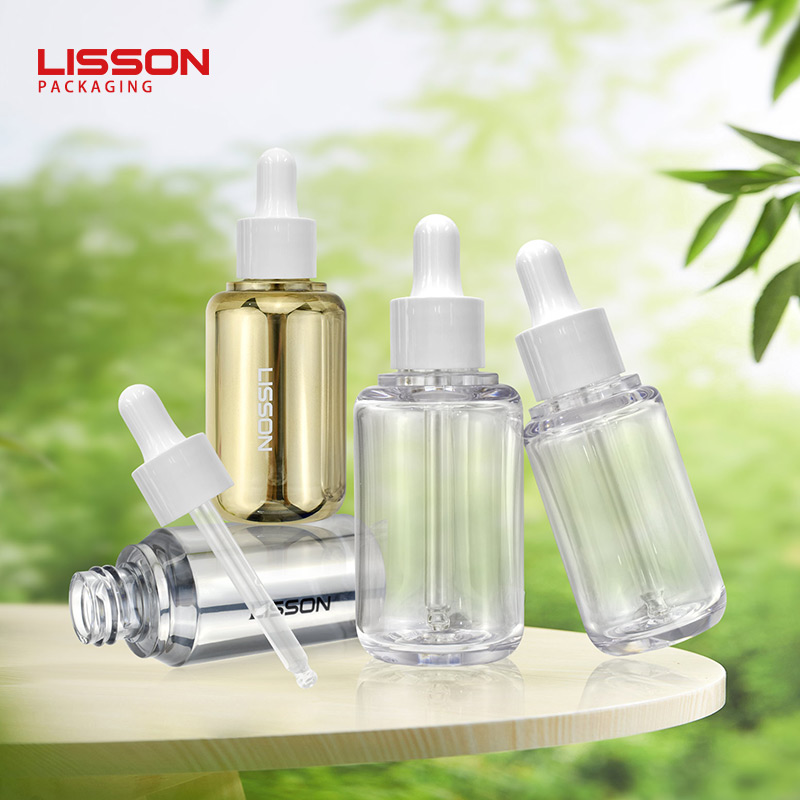
A PETG cosmetic tube earns its place through toughness and feel. The material bends under pressure and springs back, so the tube body absorbs impact rather than splitting. Squeezing a viscous formula or dropping a filled tube on a hard floor rarely produces a crack. That resilience makes PETG cosmetic packaging a practical choice for travel sizes, on-the-go formats, and products that consumers handle roughly.
Surface quality reinforces the premium impression. Amorphous PETG takes a high gloss and holds fine mold detail, so decoration, hot stamping, and soft-touch coatings read cleanly. Brands that pair a PETG cosmetic tube with a matching cap or a PETG cosmetic bottles line get a consistent family look across a range.
The material has one clear weakness, and it is chemical rather than mechanical. PETG is tougher than PET but more prone to environmental stress cracking from essential oils, alcohols, and aggressive surfactants. Crazing tends to appear first at the neck and base, where molded-in stress is highest. High alcohol content is a particular concern, since PETG is more sensitive to alcohols than PET. These are compatibility questions to settle through testing before tooling, not material defects.
The table below sets the two materials side by side across the properties that most often decide a tube project.
|
Property |
PET |
PETG |
|---|---|---|
|
Impact resistance |
Lower; a rigid body can crack under sharp impact |
Higher; flexes and recovers, absorbing drops and squeezes |
|
Flexibility |
Stiff and dimensionally stable |
Flexible and forgiving under stress |
|
Clarity |
Excellent; controlled cooling keeps it clear |
Excellent gloss; clarity typically slightly lower than PET but imperceptible to the human eye in most applications |
|
Heat sensitivity |
Holds shape well at elevated temperatures |
Glass transition temperature of 80–85°C (176–185°F); heat deflection temperature of 70°C at 264 psi; can deform above 65–80°C, with 75°C flagged as a low deflection point |
|
Chemical compatibility |
More tolerant of alcohols |
Prone to crazing from essential oils, alcohols, aggressive surfactants, and some solvents |
Two terms deserve a plain explanation. Glass transition temperature marks the point where a polymer softens from a glassy state into a rubbery one. Heat deflection temperature measures how well a material resists bending under a defined load at rising temperature. For PETG, the practical reading is simple: keep the filled tube below roughly 70°C under load, and avoid hot-fill or hot-storage scenarios. PETG withstands higher processing temperatures without degrading, which helps on the molding line but does not change the service limits of the finished tube.
Clarity deserves a final note. PETG reads as glass-clear to most consumers, and the small gap against PET rarely shows on a shelf. Buyers who need maximum transparency for a see-through formula should compare samples under real lighting before deciding.
A PETG cosmetic tube delivers a more luxurious appearance than a standard PET body. The amorphous surface takes a high gloss and holds fine mold detail, so decoration reads cleanly. Premium brands often combine several decoration techniques on a single tube. Layered effects of this kind justify higher pricing and separate a product from basic competitors that rely on single-color printing or generic labels.
Soft-touch and matte finishes strengthen the premium impression. A velvety soft-touch coating gives an elegant matte look and a comfortable hand feel. These finishes resist fingerprints and scratches well, and they support full customization through silk screen, hot stamping, UV, and metallic effects. Premium buyers also expect reliable performance across the product lifecycle. Four requirements matter most:
High-quality decoration and finishes that lift point-of-sale appeal
Formulation compatibility across a wide product range, from lotions to specialty formulas
Consistent dispensing and product protection throughout the lifecycle
Reduced material usage that supports sustainability goals
Squeezable formats suit PETG best. Serums, anti-aging creams, and luxury skincare products reward the material's flex and recovery, and the tube survives handling during travel and daily use.
PET suits transparent, modern packaging where unit cost drives the decision. Water-based cosmetics form the natural home for this material, and established high-volume production lines run it efficiently. Rigid formats play to PET's stiffness and dimensional stability, so a straight-walled tube holds a clean, architectural shape on shelf.
Recyclability strengthens the case. PET enjoys broad acceptance in recycling streams, which makes it an economical and environmentally conscious choice for brands with sustainability targets. A PETG cosmetic tube still wins where the formula is chemically intense or the design is complex. Brands that also sell a PETG cosmetic bottles line can carry one premium look across formats. Teams comparing a PETG cosmetic tube against PET should match the material to the product's use first, then confirm the decoration and cost plan.
Both materials clear the core regulatory hurdles for cosmetic packaging, and each does so through its own chemistry. PET's inert nature lets it pass migration testing, and it handles alcohol-based, acidic, and oil-based formulations. PETG's chemical inertness protects high-value active ingredients such as Vitamin C and peptides. That same inertness keeps a PETG cosmetic tube sturdy and crystal-clear after long-term oil contact, a real advantage for lip products.
|
Regulatory Standard |
Key Requirements |
How PET and PETG Meet Them |
|---|---|---|
|
FDA 21 CFR (indirect food additives) |
Extractable heavy metals below 0.5 ppm; overall migration ≤ 60 mg/kg |
PET's inert nature passes these migration tests |
|
EU REACH |
SVHC screening against the candidate list |
Inertness and lack of DEHP-type plasticizers help avoid SVHC issues |
|
EU Cosmetics Regulation 1223/2009 |
Complete BPA ban in cosmetics packaging since 2020; nickel migration limit of 0.5 μg/cm²/week for metal components |
Both materials are BPA-free and chemically stable |
|
California Prop 65 |
Lead below 100 ppm; stricter phthalate limits than federal rules |
Additive-light composition reduces heavy-metal and phthalate migration risk |
Named standards strengthen the file further. PETG grades are selected to meet FDA 21 CFR 177.1315, and they comply with EU No 10/2011 for plastics food contact. PETG also passes USP Class VI and cytotoxicity testing per ISO 10993-5:2009. Brands building PETG cosmetic packaging should request migration data for the specific grade and confirm documentation before tooling.
PET enjoys broad acceptance in recycling streams, and that acceptance gives it a clear edge for brands with public sustainability targets. Rigid PET tubes and bottles move through established collection channels, and the material's maturity supports steady demand from recyclers.
PETG sits in a different position. The amorphous structure that delivers flexibility and gloss also limits its presence in common recycling streams. Brands should confirm local collection reality rather than assume parity with PET. Lightweighting helps either material: reducing wall thickness cuts material usage and supports sustainability goals without changing the resin. A practical path pairs the right material with a realistic end-of-life plan, and that pairing matters more than a label claim alone.
Resin price sets the starting point for any tube quote, and the two materials sit far apart. PET trades as a commodity. PETG occupies a different tier, carrying a resin premium over PET. PETG's higher material cost can be offset by faster processing times and lower scrap rates, potentially yielding net cost savings despite the higher per-pound expense.
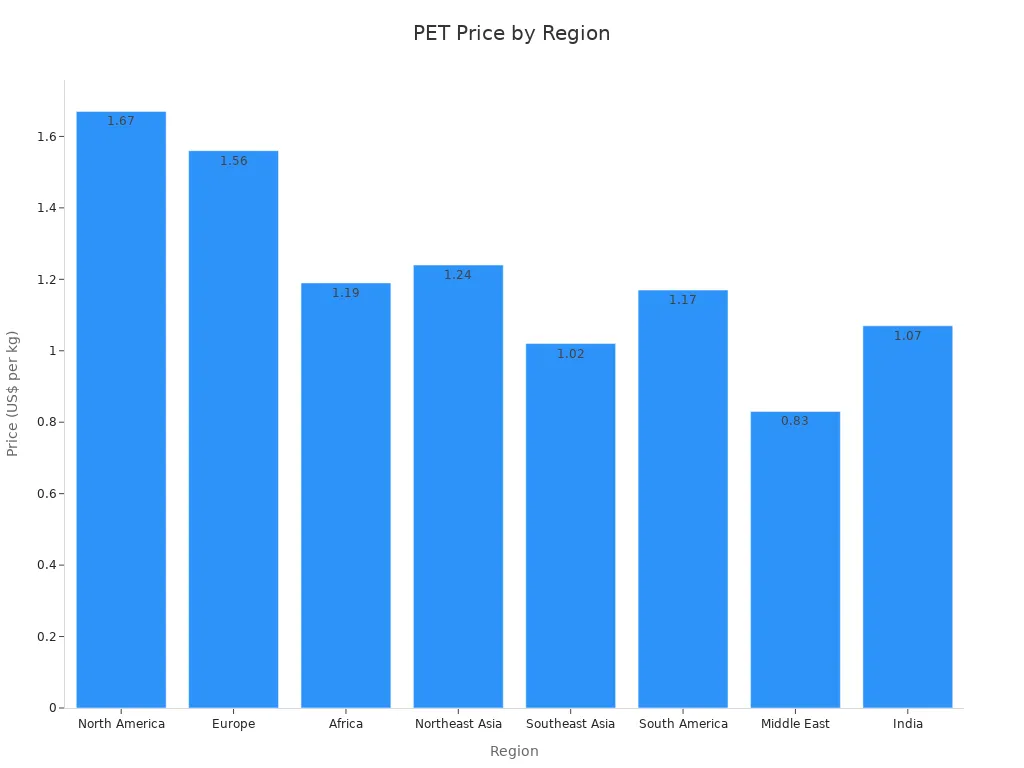
|
Region |
PET price (per kg, Sept 2026) |
Change |
|---|---|---|
|
North America |
US$1.67 |
+4.4% |
|
Europe |
US$1.56 |
+4.0% |
|
Africa |
US$1.19 |
+1.7% |
|
Northeast Asia |
US$1.24 |
+4.2% |
|
Southeast Asia |
US$1.02 |
+4.1% |
|
South America |
US$1.17 |
+4.5% |
|
Middle East |
US$0.83 |
+3.7% |
|
India |
US$1.07 |
+3.9% |
Conversion adds its own layer. PETG runs longer cycle times and demands tighter heat control during stretch blow molding, so machine hours per tube rise. Premium decoration on a PETG cosmetic tube also costs more to execute well. A buyer comparing quotes should separate resin cost from conversion cost and decoration cost, then compare the totals rather than the headline resin figure.
Unit price tells only part of the story. A PETG cosmetic tube resists cracking in transit and in the consumer's hands, so a brand spends less on replacements, returns, and damaged-goods claims. The material's gloss and mold detail also carry branding weight. A premium finish supports a higher retail price, and that margin often absorbs the resin premium many times over.
PETG cosmetic packaging pays off best in low-volume, high-value lines where shelf presence drives sales. PETG cosmetic bottles follow the same logic for brands extending a premium look across formats. High-volume, price-sensitive programs usually favor PET, where commodity pricing and mature processing keep costs predictable. The right measure is total cost per unit sold, not cost per tube.
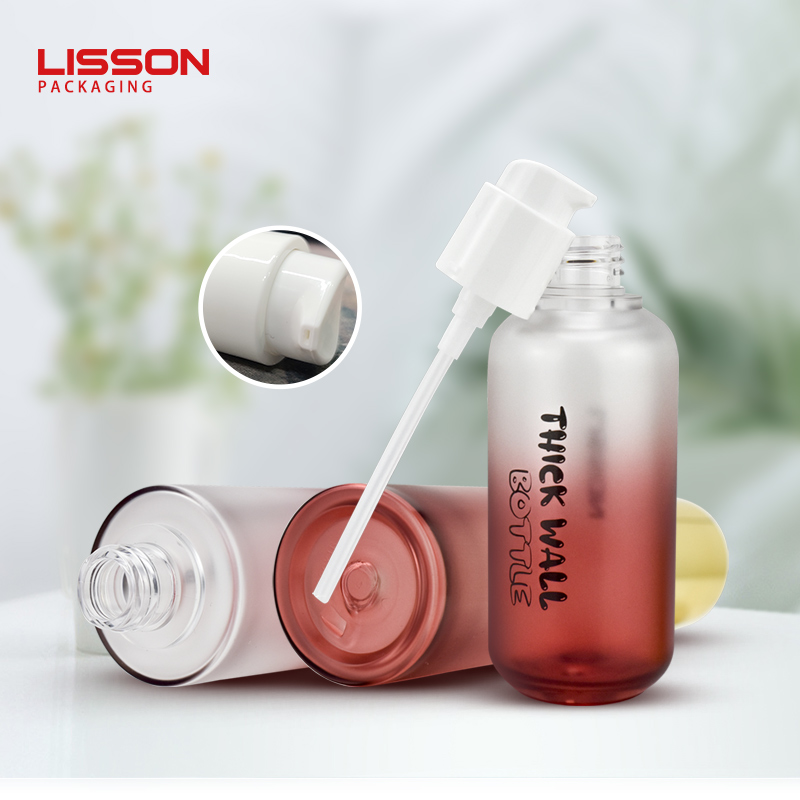
Formulation decides the material before design or price enters the conversation. Packaging teams should treat the tube and the formula as one system, not two separate purchases. A structured evaluation keeps that system honest.
Define the complete formula–package system. List every product-contact and headspace component: tube shoulder and sleeve, cap, liner, seal, decoration, and adhesive. Record material grade, colorant, supplier, and tooling revision for each.
Test filled, production-representative tubes under defined real-time and accelerated conditions, such as upright and inverted storage at 40–50°C for 4–8 weeks, with controls checked at scheduled intervals.
Evaluate all three interaction directions: the formula attacking the tube, the tube affecting the formula through migration or sorption, and the tube failing to protect the formula through permeation or seal failure.
Inspect for material-specific risks. Crazing, stress marks, and cracks at the shoulder, base, and geometric stress points matter most, because PETG and some PET grades are prone to stress cracking from surfactants, terpenes, essential oils, and solvents.
Set acceptance criteria before viewing results: no leakage, no cracking or deformation, closure torque and pump output within spec, no unacceptable color or odor change, and no unacceptable migration.
Never approve on accelerated data alone. Review the real-time trend, functional testing, supplier documentation, and analytical work against the intended shelf life.
High-risk components deserve extra attention. Surfactants, limonene and other terpenes, concentrated essential oils, propylene glycol, some solubilizers, and UV filters all raise stress-cracking risk. One documented case involved a PETG jar holding a surfactant blend with 1% limonene; it cracked at the shoulder after six weeks at 40°C, and the team resolved it by switching to PP or reducing the limonene load. Sample size matters too. A full protocol typically calls for 30–60 filled samples per condition, and ordering 60–100 units per material option covers weight loss, stress-crack, transit, and reserve testing.
Once the formula clears, the team moves through three filters in sequence. First comes visual requirement. A crystal-clear, glass-like look points to PETG, while budget transparency favors PET. Second comes compliance. Product-contact materials must be PP, PE, PET, or PETG, and acrylic or ABS requires an inner barrier before direct contact. Third comes application fit. Alcohol-based products suit PET or PETG with PP components, and premium lines pair a PETG cosmetic tube with decorated caps and PP internals.
The trade-offs line up cleanly. PETG brings strong chemical resistance for aggressive compounds, superior impact and design flexibility, and premium clarity, at a slightly higher cost and with limited recycling acceptance. PET brings cost efficiency, wide recyclability, and clear transparency for standard designs. Teams choose PETG when design complexity, premium clarity, or chemically intense formulas dominate. They choose PET when budget and recyclability goals lead.
Lisson supplies both PET and PETG cosmetic tubes and guides brands through material evaluation and sourcing for their specific tube project. That support covers grade selection, sample protocols, and decoration planning, so a brand can compare options on evidence rather than assumption. The same evaluation logic extends to PETG cosmetic bottles and wider PETG cosmetic packaging programs, where one material decision shapes an entire product family.
PETG wins on flexibility, impact resistance, and premium shelf appeal. PET wins on cost efficiency and recyclability. That single sentence settles most debates.
The decision path matters just as much. Teams start with formulation, move to design and compliance, then weigh cost and sustainability. This sequence turns a subjective preference into a repeatable framework any brand can apply.
Both materials remain valid choices. Neither option is inherently superior. Lisson supplies PET and PETG cosmetic tubes and helps brands evaluate and source the right option for their tube project. A PETG Cosmetic Tube suits premium lines; PET suits value-driven programs. Evidence, not assumption, should guide the final call.
PET generally tolerates alcohols better. PETG is more sensitive to alcohols and prone to crazing at the neck and base. Teams should confirm compatibility through filled-sample testing before tooling. A PETG cosmetic tube can still work when the formula and stress points pass evaluation.
PETG softens above its glass transition range of 80–85°C and can deform above roughly 65–80°C. Keep filled tubes below about 70°C under load. Hot-fill and hot-storage scenarios favor PET, which holds shape well at elevated temperatures.
Only marginally. PETG clarity is typically slightly lower than PET, yet the gap stays imperceptible to the human eye in most applications. Buyers who need maximum transparency should compare samples under real lighting before committing.
Premium lines absorb the resin premium through stronger shelf presence and fewer damage claims. PETG cosmetic packaging pays off best in low-volume, high-value programs. High-volume, price-sensitive work usually favors PET. Brands extending a premium look across formats often pair a PETG cosmetic tube with matching PETG cosmetic bottles.
PETG has limited presence in common recycling streams, so brands should confirm local collection reality rather than assume parity with PET. Lightweighting helps either material. A realistic end-of-life plan matters more than a label claim.