무엇을 찾고 계신가요?

Polyethylene terephthalate glycol, or PETG, is a thermoplastic polyester that manufacturers make by modifying PET with glycol. Cosmetic brands often choose PETG for their tubes because it offers three headline benefits: clarity, durability, and chemical resistance. These traits help a product look premium on the shelf and hold up during everyday use. PETG cosmetic tubes also resist oils and other formula ingredients that can cloud ordinary plastics over time. This article explains what is PETG, reviews its key properties, and compares it fairly with PE, PET, and PVC. Readers can then match a material to their formula, appearance goals, and budget. PETG cosmetic packaging remains a strong starting point for many cosmetics brands.
PETG is a clear and strong plastic that keeps cosmetic tubes looking premium and protects them from damage.
PETG resists oils and alcohols, so it works well for many cosmetic formulas without clouding or cracking.
PETG meets FDA and EU safety rules, and brands can recycle it where programs exist.
Choose PETG for premium clarity and toughness, but pick PE for flexibility or PET for lower cost and wider recycling.
Always test your formula with the tube material to ensure compatibility and long-term stability.
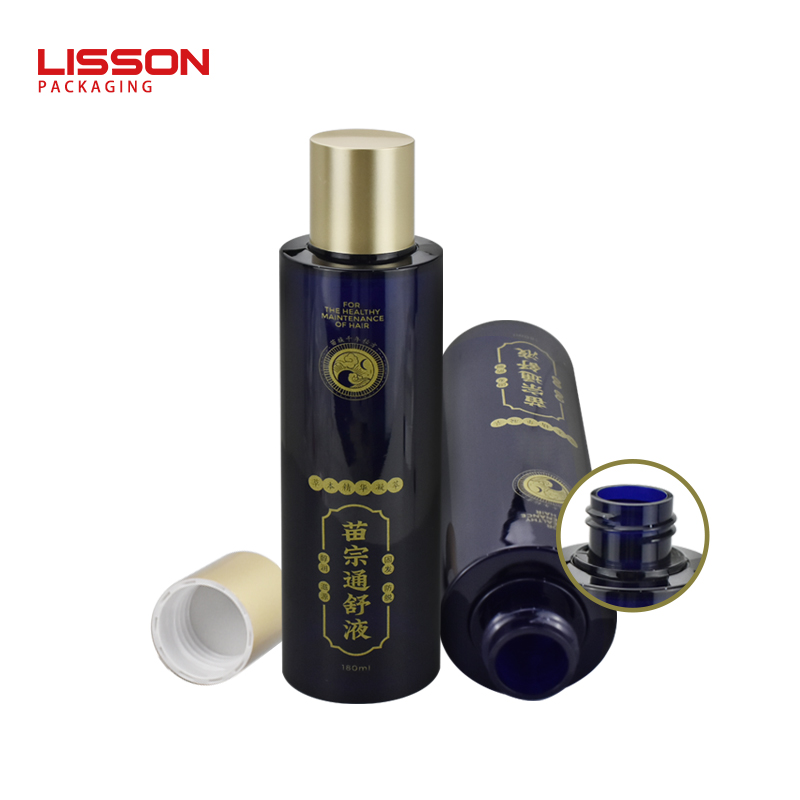
Polyethylene terephthalate glycol (PETG) is a thermoplastic polyester. Manufacturers produce it by modifying PET with a different glycol. The base polyethylene terephthalate chain builds from terephthalic acid and ethylene glycol. In the glycol-modified version of PET, roughly 30–60% of the ethylene glycol is replaced by CHDM, or cyclohexanedimethanol. The "G" therefore signals a different type of glycol, not a larger dose of the same one. This substitution introduces steric hindrance and conformational irregularity. Ordered chain packing slows, and semi-crystalline PET becomes fully amorphous PETG. The glass transition temperature lands near 80–85 °C. A CHDM content above 50 mol% yields PCTG rather than PETG, so formulation ratios matter. Both polymers share similar mechanical strength, yet the modified grade stretches further before failure. Glycol modification changes crystallinity, not the basic polyester backbone. The structural shift explains much of the material's behavior. It also answers the basic question of what is PETG in practical terms: a clear, tough polyester rather than a stiffer bottle resin.
The amorphous structure delivers excellent transparency. Light transmission exceeds 90% at 3 mm thickness, and molded surfaces carry a high gloss. That combination supports premium clarity and higher impact resistance in finished parts. Notched Izod impact strength falls in the 50–80 J/m range. Tensile strength reaches 45–55 MPa, and flexural modulus sits near 1.8–2.2 GPa. Elongation at break runs from 100–300% in published datasheets. CHDM segments add flexibility, so the polymer bends and absorbs stress instead of snapping. Impact tests show strong performance in horizontal directions, and small parts hold loads of 15–20 kg. Unmodified PET is stiffer and more prone to stress fractures under heavy impact. PET holds heat better in some grades. PETG also accepts decoration well, which helps branding. A glossy wall helps a tube read as premium on a retail shelf.
Chemical resistance holds up against many oils and cosmetic ingredients. Polyethylene terephthalate glycol modified resin also resists many alcohols and dilute solutions, which matters for gel and lotion formulas. Heat deflection temperature sits near 65–75 °C for standard grades. High-temperature modified grades reach 85–100 °C, which widens the processing window. Long-term UV exposure gradually degrades mechanical performance, so outdoor use calls for UV-stabilized grades. The resin recycles in stream RI-7, and clear streams command better resale value. Processors run it at melt temperatures of 220–260 °C in injection molding and 240–280 °C in extrusion. It flows easily, fills intricate molds, and warps less on cooling than semi-crystalline PET. Ease of use extends to blow molding, which keeps tooling flexible across tube formats. Packaging converters value the forgiving process window. PET suits pressure-critical containers.
Processing behavior rounds out the picture. Amorphous pellets dry and mold within a forgiving window, and scrap can be reground. Polyethylene terephthalate glycol modified scrap regrinds cleanly, a thermoplastic advantage. PET and PETG share the same monomers. The answer to what is PETG now covers both structure and behavior.
|
Parameter |
PET |
PETG |
|---|---|---|
|
Crystallinity |
Semi-crystalline |
Amorphous |
|
Appearance |
Cloudy |
Clear, high gloss |
|
Impact behavior |
More rigid |
More impact resistant |
These material properties explain why PETG cosmetic tubes and PETG cosmetic packaging appear across so many product lines. The next section connects each property to a packaging benefit.
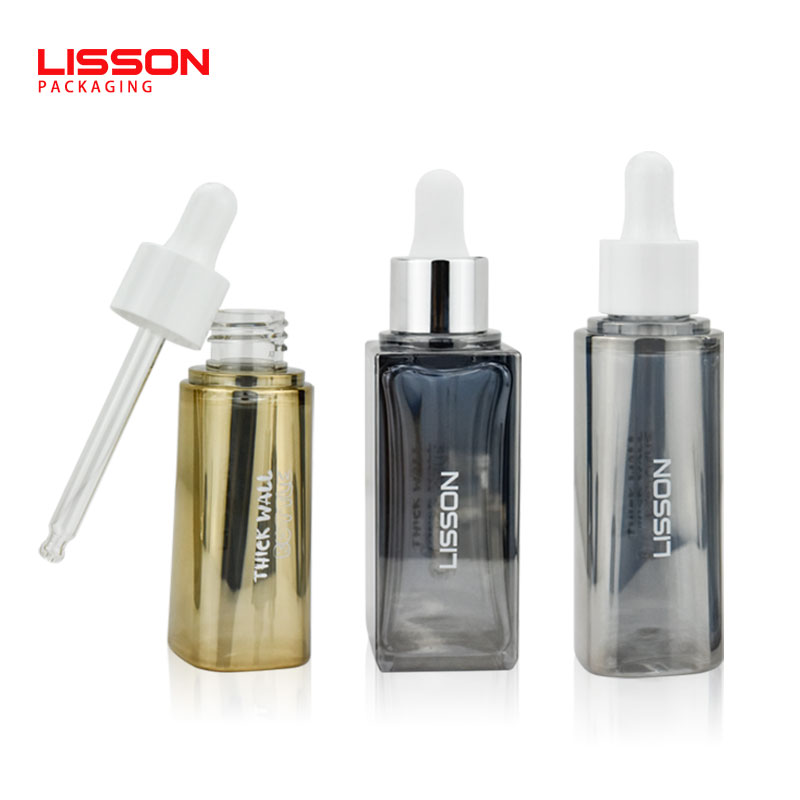
A tube wall made from PETG stays crystal clear. That clarity survives long-term contact with oils, which sets PETG cosmetic tubes apart from materials that cloud over time. Brands gain clarity and shelf appeal without sacrificing toughness. The surface carries a glass-like appearance that reads as premium in a retail display. Outstanding clarity also lets a formulator show off color, texture, and fill level. A skincare brand can display a translucent gel and let the product sell itself.
Strength supports daily handling. The material bends under squeezing and recovers its shape. Drop tests and shipping stress rarely produce the stress fractures that stiffer resins can develop. Ease of use matters on the filling line too. Converters run PETG through injection molding for intricate caps and applicators, through pulling for custom tube profiles, and through blow molding for clear bottle-style parts.
Chemical resistance protects the formula and the pack. A technical comparison report explains that PETG incorporates cyclohexanedimethanol into the polymer backbone. This structural change improves resistance to environmental stress cracking and gives better performance against alcohols and certain cleaning agents. The same report notes that specialized PET and PETG formulations resist particular chemical classes, including alcohols and oils. PETG packaging materials therefore handle complex or aggressive formulations well. Compatibility testing covers higher concentrations of oils, alcohols, and specific active compounds to confirm long-term stability. That resistance also stabilizes the molded neck finish, so a secure seal holds even with alcohol-rich formulas.
Typical applications include creams, lotions, gels, lip gloss tubes, and foundation stick tubes. Squeeze tubes for hand cream and clear tubes for serum both benefit from the same property set.
PETG is free from harmful chemicals under standard usage, and it meets both FDA and EU standards. It maintains product integrity without chemical destabilization. Under FDA CFR Title 21, plastic materials used in food-contact and cosmetic applications must be certified food-contact safe or cosmetic-grade. REACH (EC) No 1907/2006 treats packaging as an article and limits SVHCs to 0.1% w/w, so suppliers must provide an SVHC declaration. Packaging Waste Directive 94/62/EC caps the combined concentration of lead, cadmium, mercury, and hexavalent chromium at 100 ppm by weight. EU Cosmetics Regulation (EC) No 1223/2009, Article 17 requires that packaging not transfer toxic substances to the product, and material safety data must enter the Product Information File before market placement.
Recyclability rewards careful design. Brands should specify food-grade virgin resin with third-party reports such as SGS proving the absence of REACH-restricted substances. An all-plastic, mono-material structure supports 100% recyclability and keeps mixed components from blocking recycling. Clear recycling marks and material codes molded into the tube bottom help overseas customs clearance and waste sorting.
|
Attribute |
PETG |
PET |
|---|---|---|
|
Recycling stream acceptance |
Limited presence in common streams; verify local collection |
Broad acceptance in established streams |
|
Cost |
Slightly higher |
Cost-efficient |
|
Clarity and design |
Premium clarity, superior impact resistance |
Clear transparency for standard designs |
|
Chemical resistance |
Strong, suited to aggressive compounds |
Standard |
|
Best fit |
Design complexity, premium clarity, chemically intense formulas |
Budget and recyclability goals |
Mechanical recycling sorts, cleans, grinds, and reprocesses PETG into pellets. Chemical recycling depolymerizes the resin to regenerate material. Energy recovery reduces landfill volume but does not conserve material resources. Lightweighting through thinner walls cuts material use regardless of resin, and a realistic end-of-life plan matters more than a label claim.
The pe vs pet vs petg comparison starts with dispensing style. PE tubes suit products where squeezing is part of the experience, such as hand cream, facial cleanser, sunscreen, and treatment products. PE offers flexibility and squeezability, yet it trails the other two on clarity and rigidity. Mild formulations pair well with PE. Aggressive formulas need a compatibility check first.
PET brings high clarity and lightweight rigidity to bottles and jars for toners, serums, and lotions. Its chemical resistance covers many common cosmetic uses. Impact resistance falls below PETG, so very tough handling favors the modified resin.
PETG combines premium clarity with better toughness. High-end serum bottles, luxury jars, and display-driven packs use it well. Strong chemical resistance helps with demanding formulas. PETG cosmetic tubes and PETG cosmetic packaging serve brands that want a substantial clear part. PETG is not an automatic upgrade over PET when PET already meets appearance, structure, and compatibility needs. The key differences come down to fit, not rank.
|
Material |
Key strength |
Main limitation |
Typical applications |
|---|---|---|---|
|
PE |
Flexible and squeezable |
Lower clarity and rigidity |
Tubes, squeeze bottles |
|
PET |
High clarity, lightweight rigidity |
Less impact resistant than PETG |
Bottles, jars |
|
PETG |
Premium clarity with better toughness |
Higher cost, more limited recycling routes |
Premium bottles, jars |
All three materials can meet cosmetic packaging rules when suppliers document them. ISO 9001 facilities inspect each batch for dimensions, thickness, and visual defects. FDA standards cover materials that contact formulas. REACH and RoHS compliance supports entry into European markets. EU Regulation (EC) No 1223/2009 requires the safety report to address packaging purity and stability. US FDA does not pre-approve ordinary cosmetics, so the manufacturer or distributor owns product safety. A cosmetic-grade label does not replace a defined resin specification.
Cost tracks performance. PE remains the economical choice for flexible formats. PET balances clarity and value. PETG costs more and has more limited recycling routes, so brands should check RecyClass or APR guidance before finalizing artwork. Lisson supplies multiple material options and helps buyers compare polyethylene terephthalate glycol, PET, and PE against real formulas. That support turns a pe vs pet vs petg cosmetics material decision into a tested choice.
A sound packaging choice starts with the formula, not the catalog. Buyers should list viscosity, oil content, actives, fragrance load, filling temperature, and target shelf life before comparing resins. A basic moisturizer often works well in PE or a two-layer PE tube, where squeeze recovery and cost matter most. A vitamin C cream needs EVOH, ABL, or PBL structures to limit oxidation and yellowing. An essential-oil skincare line calls for barrier PE, EVOH, or PBL and a migration test. PETG cosmetic tubes fit premium lines that want clarity, a glass-like appearance, and strong resistance to oils and alcohols. Clear PETG cosmetic packaging also suits gel and serum formats where the product itself drives shelf appeal.
Appearance goals deserve the same discipline. Brands that prize transparency should weigh PETG against PET, since both deliver high clarity while PETG adds toughness. Brands focused on sustainability can swap in PCR or Sugarcane Bio-PE within the same process, and suppliers offer these options from 3ml to 500ml. Squeeze tubes for hand cream favor PE for feel, while display-driven cosmetics may justify PETG. A formula compatibility check and a short stability trial settle most debates before tooling begins.
Lisson supports material comparison across LDPE, HDPE, Sugarcane Bio-PE, PCR, ABL, and PBL, and helps buyers weigh PETG, PET, and PE against real formulas. The team reviews dispensing, decoration, filling-line fit, and quality control, covering dimensional inspection, leakage testing, print adhesion, and cap fit. Order structures scale with need: stock tubes dispatch in 7–15 days, custom wholesale runs start at 1,000 units per SKU with 30–45 days of bulk production, and OEM private label moves from a digital prototype in 3 days to samples in 7–10 days. That range lets a small brand test a cosmetics material without overcommitting.
What is PETG? It is a glycol-modified polyester. The material earns its place in cosmetic packaging for four reasons: clarity, durability, chemical resistance, and regulatory fit. Clear walls keep a premium look, tough walls survive handling, and strong resistance protects demanding formulas. Brands should match the resin to their formula, appearance goals, and budget. PET remains a sensible choice for standard clear designs. Lisson helps buyers compare PETG cosmetic tubes against other options and select the right solution for their cosmetics line.
The "G" stands for glycol, specifically a modified glycol such as CHDM. Manufacturers replace part of the ethylene glycol in PET with this component. The substitution stops the polymer chains from packing into crystals, so the resin stays clear and tough.
Yes. The amorphous structure resists clouding during long-term contact with oils and many alcohols. Brands should still run a compatibility test with the actual formula. A short stability trial confirms clarity and seal integrity before bulk production begins.
Both materials deliver high clarity. PETG adds better impact resistance and stronger chemical resistance, while PET offers broader recycling acceptance and a lower cost. Skincare brands weigh appearance goals against budget and end-of-life plans. PETG cosmetic packaging suits premium, display-driven lines.
PETG carries the RI-7 recycling code and regrinds cleanly. Mechanical recycling turns scrap into new pellets, and chemical recycling breaks the resin back into monomers. Local collection programs vary, so brands should verify acceptance and keep the tube structure mono-material.
PETG meets FDA and EU standards when suppliers document the grade. Buyers should request an SVHC declaration under REACH and confirm heavy-metal limits under the Packaging Waste Directive. A cosmetic-grade label supports compliance but does not replace a defined resin specification.