무엇을 찾고 계신가요?

No single material wins for every formula. The better choice between HDPE vs. PET depends on the sunscreen formulation, the UV filter system, and the target use case.
Five factors drive the decision: UV protection, chemical compatibility, durability, cost, and recyclability. A light-sensitive formula behaves differently from an oxidation-sensitive one. A beach-ready sunscreen squeeze bottle demands different handling than a premium display unit.
The verdict stays balanced. An HDPE sunscreen bottle suits opaque, chemical-resistant, squeeze-style formats. PET suits clear, premium, oxygen-sensitive bottles. Each material serves a distinct role in cosmetics packaging, and neither deserves a blanket dismissal.
Matching the plastic bottle to the formula, not to habit, keeps a brand's packaging reliable.
HDPE bottles block UV light well and resist chemicals, making them ideal for light-sensitive sunscreens.
PET bottles are clear and provide a strong oxygen barrier, which helps preserve oxidation-prone formulas.
HDPE is flexible and tough, perfect for squeeze bottles that need to survive drops.
PET is rigid and lightweight, which reduces shipping costs and gives a premium look.
Both materials are highly recyclable, so choose based on your formula and packaging needs.
High-density polyethylene starts with a natural advantage for sun care: the resin arrives opaque or translucent. This trait lets an HDPE sunscreen bottle block more light than clear PET, and that matters for formulas built around light-sensitive UV filters. A brand gains protection without adding an extra coating or sleeve.
The same resin delivers strong chemical resistance across a wide range of ingredients. HDPE also tolerates higher temperatures than PET during filling and storage. Good gas barrier protection rounds out the profile, and reliable moisture barrier properties help keep a water-based emulsion stable. These material properties make HDPE plastic a dependable choice for a plastic bottle that holds an active formula.
HDPE feels flexible in the hand, and that softness pays off on the line and in the bag. The material offers strong impact resistance and higher tensile strength than PET. A filled bottle resists cracking when dropped, so a sunscreen squeeze bottle survives shipping and beach use alike.
Cost favors HDPE as well. The resin typically costs less per pound than PET, and HDPE runs faster production cycles. Sources vary on the exact raw material cost gap, so buyers should confirm current pricing with a supplier. One more point supports the material: HDPE is safer and more durable for repeated use than PET. That durability suits refillable or multi-trip packaging, and it keeps the total cost of ownership low for brands that value a long service life.
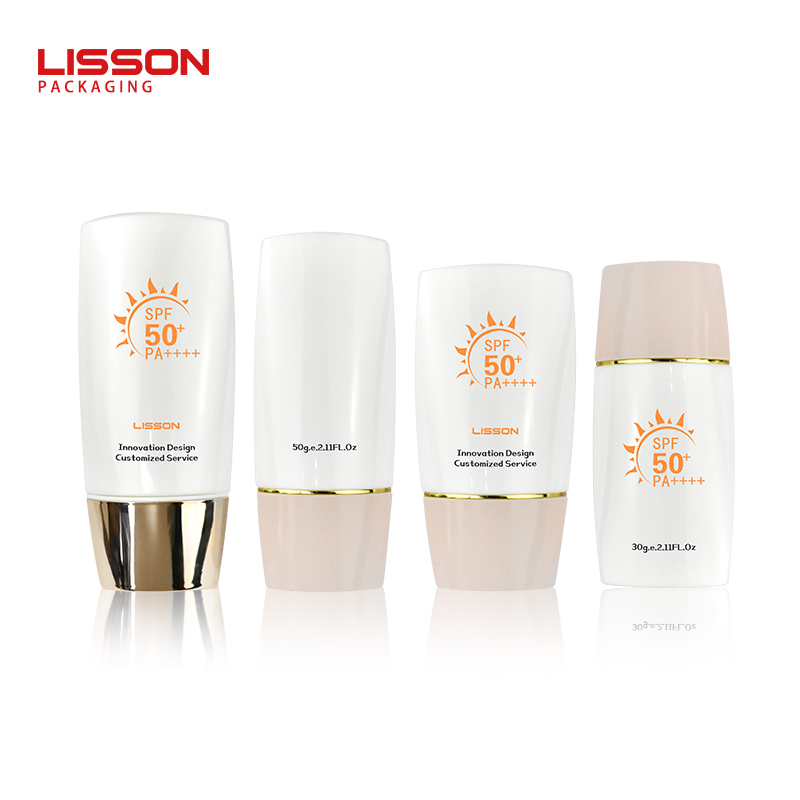
Polyethylene terephthalate gives a bottle a transparent, glass-like finish. That clarity delivers strong shelf appeal. A shopper sees the lotion inside, and the package reads as premium. The trade-off is limited light blocking. Clear PET lets UV rays pass through, so a light-sensitive formula needs an opaque outer sleeve or a UV-blocking additive. A brand weighing this plastic bottle material against an HDPE sunscreen bottle should treat light exposure as the first filter.
The oxygen barrier tells a different story. PET outperforms HDPE on oxygen transmission by a wide margin. Oxidation-sensitive sunscreen formulas benefit from this protection, and the barrier helps preserve active ingredients across the product's shelf life. PET plastic also resists hydrocarbons and essential oils well, which matters for formulas built around certain emollients and fragrance oils. These material properties support longer stability testing cycles and fewer reformulation surprises.
PET feels stiffer and more rigid than HDPE. The wall holds its shape under pressure, and stress crack resistance is better. A brand that wants a crisp, structured look on the shelf gains from this stiffness. Flexibility drops, though, so a PET container does not work well as a sunscreen squeeze bottle. The rigid format suits pump tops and flip-cap dispensers instead.
Weight is another advantage. PET bottles weigh less than comparable HDPE bottles, and that difference reduces shipping costs substantially across large orders. One caution applies to reuse. PET is not considered safe to reuse more than once, so brands should position these bottles as single-trip packaging rather than refillable units. Both materials remain highly recyclable, and collection rates stay strong for each.
A side-by-side comparison of light handling reveals the clearest split between the two resins. High-density polyethylene arrives opaque or translucent, so an HDPE sunscreen bottle blocks more light than a clear PET container. Clear PET passes visible and UV light straight through the wall. Neither resin was engineered specifically for sunscreen packaging, so brands must plan around this gap rather than assume built-in defense.
The practical fix differs by material. An HDPE bottle needs no extra work, because the resin already shields light-sensitive UV filters. A clear PET bottle needs an opaque sleeve, a label wrap, or a UV-blocking additive to reach the same level of protection from light. Brands that prize visibility should budget for that added layer. Brands that prioritize formula stability often skip the problem entirely by choosing an opaque wall.
Chemical resistance splits along different lines. HDPE wins on temperature tolerance and general chemical resistance. The resin shrugs off a broad range of ingredients and holds up during hot-fill or warm storage. PET wins on oxygen, hydrocarbon, and essential oil barrier. That edge matters for formulas with oxidation-prone actives or fragrance oils that migrate through weaker walls.
|
Factor |
HDPE |
PET |
|---|---|---|
|
Light blocking |
Strong (opaque or translucent) |
Weak (clear) |
|
Temperature tolerance |
Higher |
Lower |
|
General chemical resistance |
Strong |
Moderate |
|
Oxygen barrier |
Moderate |
Strong |
|
Hydrocarbon and essential oil barrier |
Moderate |
Strong |
|
Stiffness |
Flexible |
Rigid |
These hdpe vs pet key differences map onto real formulas. A zinc-heavy mineral lotion with light-sensitive filters fits the HDPE profile. A serum-style formula with volatile emollients fits PET. The sensitivity to light and oxygen in a given formula should drive the call, not shelf fashion.
The hdpe vs. pet decision also shapes handling. A flexible HDPE sunscreen bottle works as a sunscreen squeeze bottle, and its impact resistance protects the pack in transit. A rigid PET unit suits pump dispensers and display sets instead. Neither path is weaker; each answers a different packaging brief. A brand that reads its formula first will find the hdpe vs. pet choice resolves itself, and the plastic bottle material follows the chemistry rather than fighting it. Both HDPE and PET bottles remain safe, recyclable options once the fit is right.
Cost comparisons start at the resin. HDPE typically costs less per pound than PET, and it runs faster production cycles on molding lines. That combination lowers the unit cost of an HDPE sunscreen bottle for high-volume orders. PET plastic carries a higher resin price, yet its lighter weight reduces shipping costs substantially. A brand shipping pallets across regions often recovers the resin premium through freight savings.
Durability splits the same way. HDPE offers more impact resistance, so a filled sunscreen squeeze bottle survives drops and rough handling. PET is stiffer and shows better stress crack resistance under steady pressure. Each trait fits a different distribution chain. Long-haul routes with heavy handling reward the tougher HDPE wall. Retail display sets reward the rigid PET wall that holds a crisp shape.
Both resins perform well at end of life. HDPE and PET feature high recyclability collection rates of around 92% across local councils. That figure covers curbside programs and drop-off points, and it gives brands a strong story for on-pack recycling instructions. Both materials are safe and highly recyclable, so neither option forces a compromise on disposal.
Recycling infrastructure accepts both streams without special handling. A brand can print clear recycling guidance on the plastic bottle and trust that most households have access to a collection point. The environmental impact of each option stays low when the bottle enters that stream. PET recycling recovers a clean, clear flake that suits new bottle production. HDPE recycling yields a durable flake for lumber, crates, and new containers. Neither path creates a disposal penalty, and the environmental impact difference between them is small. The hdpe vs. pet sustainability question therefore turns on weight and transport, not on recyclability. Lighter PET bottles cut freight emissions, and durable HDPE bottles cut replacement waste. Both outcomes support plastic bottle packaging goals that brands can defend.
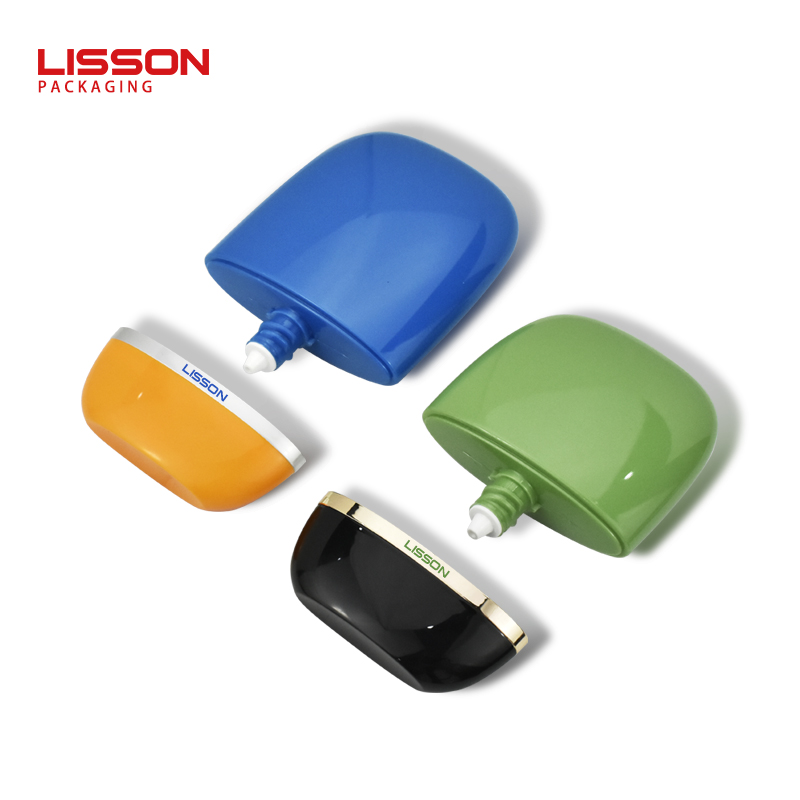
A brand should reach for HDPE when the formula demands protection from light and the pack must survive rough handling. Mineral sunscreens with zinc oxide or titanium dioxide often carry light-sensitive actives. An opaque HDPE sunscreen bottle shields those actives without an extra sleeve or coating. The resin also tolerates a broad ingredient range and higher fill temperatures, so a chemical-heavy formula meets fewer obstacles on the line.
Squeeze-style formats favor this resin as well. A sunscreen squeeze bottle needs a flexible wall that pushes product out on demand. HDPE delivers that flex along with strong impact resistance, so a dropped bottle rarely cracks. Brands that plan refill programs gain another benefit, because HDPE holds up across repeated trips. Cost-sensitive projects also fit here. The resin typically costs less per pound than PET, and faster production cycles lower the unit price at volume. A high-turn retail line with tight margins often finds its answer in HDPE.
PET suits a different brief. A clear, glass-like wall shows the lotion inside and signals a premium position on the shelf. Brands selling through display counters or gift sets often want that visual lift. Oxygen-sensitive formulas gain from PET's superior oxygen barrier, which helps preserve actives across the required shelf life. Formulas built around volatile emollients or fragrance oils also benefit, because PET resists hydrocarbons and essential oils well.
Weight matters too. PET bottles weigh less than comparable HDPE units, and that gap cuts freight costs on large orders. A brand shipping long distances can offset the higher resin price through transport savings. The rigid wall holds a crisp shape for pump tops and flip-cap dispensers. One limit applies: PET is not considered safe to reuse more than once, so brands should treat it as single-trip packaging.
Neither resin wins everywhere. The hdpe vs. pet question resolves through the formula, the UV filter system, and the sales channel. A light-sensitive, chemical-heavy lotion in a squeeze format points toward HDPE. A clear, oxygen-sensitive serum in a premium display set points toward PET. Both HDPE and PET remain safe, highly recyclable options, and recycling programs accept each stream. A thoughtful plastic bottle choice therefore starts with the product inside, not with the resin on the shelf. Brands that map the formula first will find the right material and a packaging plan that holds up from fill to final sale.
Material data sheets tell only part of the story. A brand still needs to see how a resin behaves with its own formula, and Lisson helps close that gap through structured testing and sampling. The team supplies sample HDPE and PET bottles so a brand can run compatibility trials before committing to a production run. A formulator fills a sample with the actual sunscreen, stores it under real conditions, and watches for swelling, discoloration, or loss of actives over time.
Sampling also settles the handling question. A brand can test whether a flexible HDPE sunscreen bottle dispenses a thick mineral lotion cleanly, or whether a rigid PET unit suits a pump dispenser better. Drop tests and squeeze tests on filled samples reveal how each wall performs in transit and in a customer's hands. Lisson coordinates these trials so a brand compares options on evidence rather than assumption, and the results feed directly into the final material decision.
Sourcing the right resin and the right bottle format takes more than a catalog lookup. Lisson works with sunscreen brands to match a specific formula to a specific packaging spec. That support covers resin grade selection, wall thickness, closure type, and decoration method. A brand that needs an opaque wall for light-sensitive filters gets guidance toward HDPE. A brand that needs a clear, oxygen-sensitive format gets guidance toward PET.
The sourcing work extends to volume planning as well. Lisson helps brands weigh resin cost against freight savings, so a lighter PET bottle and a tougher HDPE sunscreen bottle each get a fair comparison at the order size in question. Custom sourcing also covers label and sleeve options for clear PET units that need extra light protection. Brands gain a single partner for material evaluation, sample coordination, and production sourcing, and that continuity keeps the packaging plan consistent from first trial to final delivery.
No single material wins this comparison. An HDPE sunscreen bottle suits chemical-heavy, opaque, squeeze-style formats. PET suits clear, premium, oxygen-sensitive designs. Each option answers a different packaging brief.
Readers should match the material to the formulation, the UV filter system, and the sales channel. A light-sensitive lotion in a sunscreen squeeze bottle points toward HDPE. A clear serum in a display set points toward PET. That hdpe vs. pet logic keeps the plastic bottle reliable from fill to final sale.
Lisson helps brands evaluate and source the right option. Both bottles remain safe and highly recyclable, so recycling access and environmental impact stay strong either way.
HDPE wins here. The resin arrives opaque or translucent, so an HDPE sunscreen bottle shields light-sensitive UV filters without extra work. Clear PET passes light straight through the wall. A brand using PET must add an opaque sleeve, a label wrap, or a UV-blocking additive to reach similar protection.
It depends on the active. PET offers a far stronger oxygen barrier, which helps oxidation-sensitive formulas keep their potency. HDPE offers better temperature and general chemical resistance. A formulator should test the actual formula in both resins before deciding.
Poorly. PET feels stiff and rigid, so the wall resists the squeezing motion a lotion dispenser needs. A sunscreen squeeze bottle relies on a flexible wall, and HDPE supplies that flex along with strong impact resistance. PET suits pump tops and flip-cap dispensers instead.
Both perform well. Collection rates sit around 92% across local councils, and recycling programs accept each stream without special handling. PET yields a clean, clear flake for new bottles. HDPE yields a durable flake for crates and containers. Neither material forces a disposal compromise.
HDPE typically costs less per pound and runs faster production cycles, which lowers the unit price at volume. PET carries a higher resin price, yet its lighter weight cuts freight costs substantially. A brand shipping long distances often recovers the PET premium through transport savings.