무엇을 찾고 계신가요?

As sustainability becomes an increasingly important consideration in the beauty industry, cosmetic brands are rethinking how their products are packaged. Consumers are paying closer attention to packaging materials, recyclability, and the environmental impact of everyday skincare and personal care products. For manufacturers, this means finding packaging solutions that balance environmental responsibility with product protection, attractive appearance, and practical performance.
Recyclable plastic bottles offer a practical option for brands looking to improve their sustainable beauty packaging strategies. By incorporating recyclable materials, post-consumer recycled (PCR) plastics, and lightweight bottle designs, beauty businesses can reduce their dependence on virgin plastic and make more responsible packaging decisions.
At LISSON, sustainable cosmetic packaging development includes PCR-PET and PCR-PE bottles, bio-based material alternatives, and customized bottle designs. These solutions help skincare, hair care, and personal care brands explore packaging options that align with their sustainability objectives without overlooking everyday product requirements.
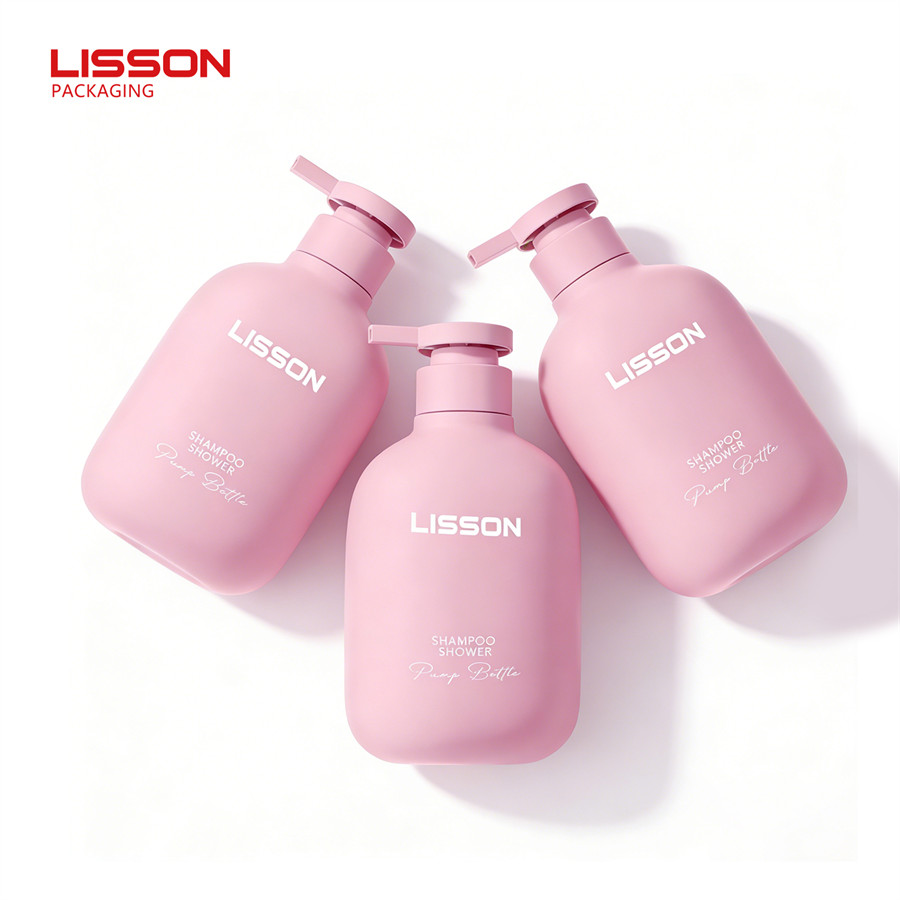
Custom plastic pump bottles for shampoo, shower gel, and personal care products.
Beauty products are commonly packaged in bottles, jars, tubes, and other containers that become waste after use. For brands with large product portfolios, packaging decisions can have a considerable influence on their overall environmental footprint.
Traditional packaging frequently relies on virgin plastic materials derived from fossil fuels. Although plastic offers advantages such as durability, flexibility, and relatively low transportation weight, its environmental impact depends heavily on how it is produced, used, collected, and processed after disposal.
Recyclable plastic bottles help address part of this challenge by providing packaging that can potentially enter established recycling systems when the material, product design, and local waste management infrastructure are compatible.
For cosmetic brands, the benefits include:
However, recyclability should not be confused with automatic environmental benefits. A bottle must be collected, sorted, and accepted by an appropriate recycling system to be recycled in practice. This is why material selection and packaging design need to be considered together.
Post-consumer recycled plastic is one of the most practical material options for beauty brands looking to incorporate recycled content into their packaging. Common examples include PCR-PET and PCR-PE, both of which are relevant to cosmetic and personal care applications.
Unlike virgin plastic, PCR materials are produced using plastic waste collected after consumer use. These materials are processed and converted into resin that can be used in new packaging applications, subject to material quality and application requirements.
PCR-PET is made using recycled polyethylene terephthalate. It is particularly relevant for brands seeking a recycled-content alternative for certain transparent or semi-transparent cosmetic packaging applications.
PCR-PET bottles can be considered for products such as facial cleansers, lotions, and other personal care formulations, depending on the required material specifications and formula compatibility.
For brands developing premium beauty packaging, it is important to evaluate clarity, color consistency, mechanical strength, and compatibility with the intended product before selecting a PCR-PET solution.
PCR-PE provides another recycled plastic option, particularly for packaging applications that require flexibility, durability, and practical dispensing performance.
It can be considered for shampoo, conditioner, body lotion, hand cream, and other personal care products. Depending on the grade and formulation, PCR-PE packaging can help brands incorporate recycled materials into their everyday product lines.
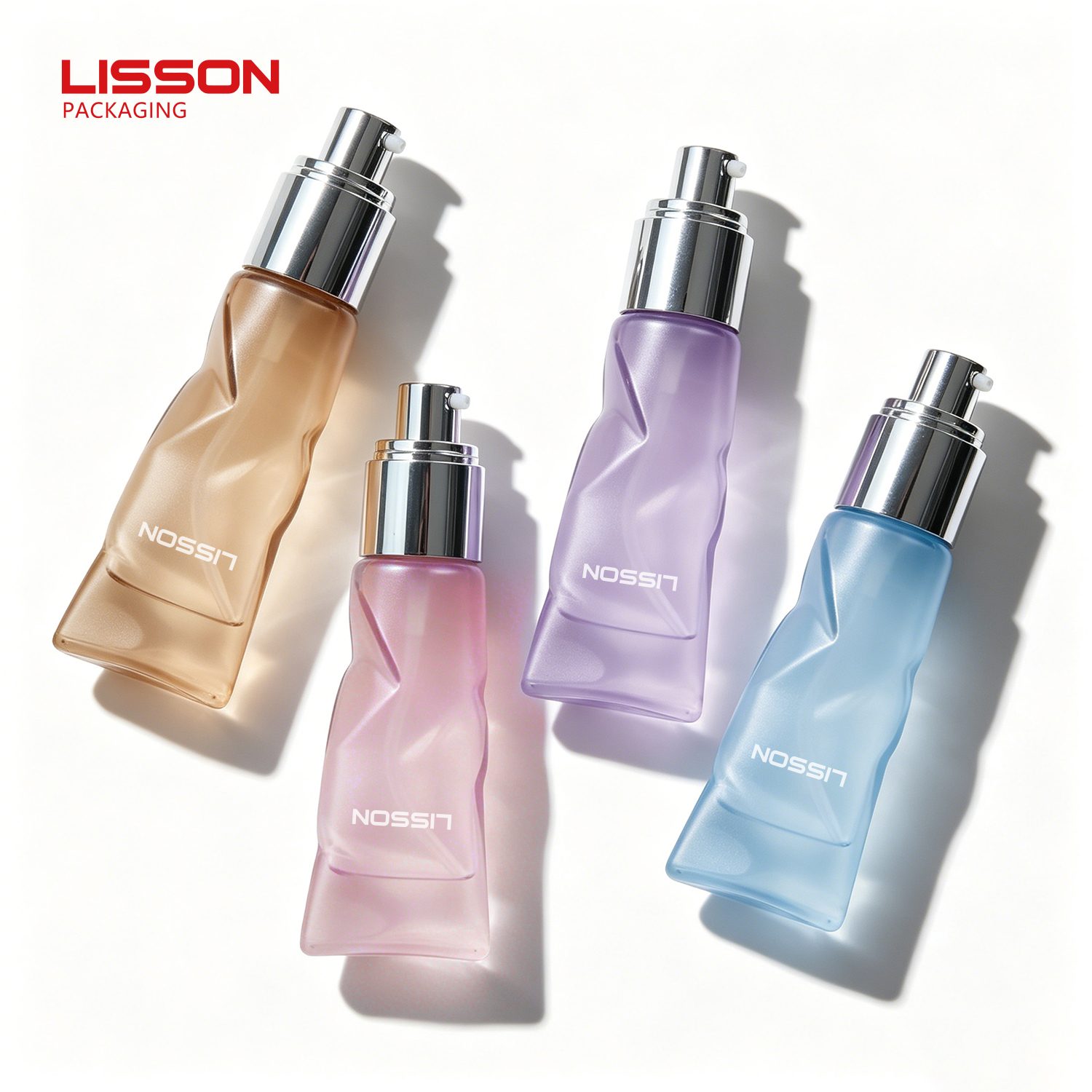
Distinctive PETG cosmetic pump bottle designs for premium skincare and beauty products.
At LISSON, PCR-PET and PCR-PE materials are part of the company's sustainable cosmetic packaging solutions.
The right material depends on the product formula, packaging structure, appearance requirements, and intended recycling market. Brands should also confirm the recycled content percentage and relevant material documentation with their packaging supplier.
Choosing recycled plastic is only one part of sustainable cosmetic packaging. The physical structure of a bottle can also affect how easily it can be sorted and processed after use.
For example, a bottle made primarily from one plastic material may be easier to recycle than a complicated structure containing several inseparable material combinations. This is why design for recycling should be considered during the early stages of packaging development.
Several design factors deserve attention:
For instance, a PET bottle paired with a closure made from a different plastic material may require additional separation or sorting considerations. The entire packaging system should therefore be evaluated rather than focusing only on the bottle body.
Brands exploring different bottle structures can review LISSON's PE cosmetic bottle collection for packaging options suitable for lotions, cleansers, and personal care applications.
Lightweight packaging is another important part of sustainable beauty packaging. Reducing the amount of plastic used in each bottle can lower overall material consumption, particularly when products are manufactured and distributed in large quantities.
For example, if a beauty brand reduces the plastic weight of each bottle while maintaining the required structural performance, the total resin savings can become meaningful across a large production order.
However, lightweight design should never compromise packaging functionality. A bottle still needs to withstand filling, transportation, storage, and regular consumer handling.
Manufacturers can evaluate several design considerations:
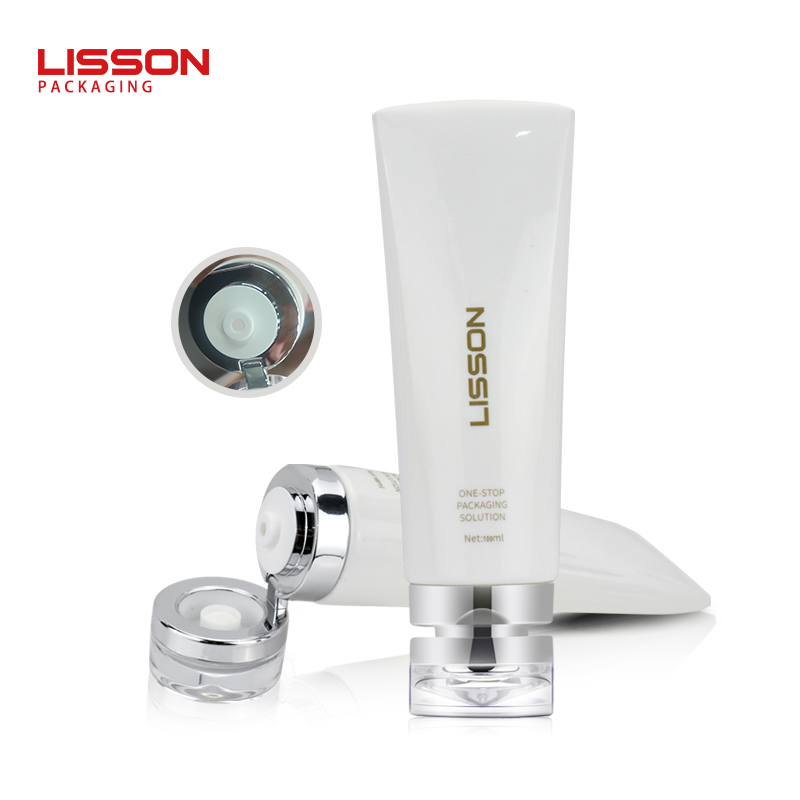
Airless cosmetic packaging designed for controlled dispensing and sensitive skincare formulations.
For skincare brands, airless packaging can also help reduce product exposure to air and support more controlled dispensing. A well-designed cosmetic airless bottle should balance material efficiency, product protection, and reliable dispensing performance.
Although recyclable plastic bottles are an important part of sustainable packaging development, they are not the only available option. Depending on product positioning, formula requirements, and environmental objectives, beauty brands may consider several complementary materials.
Bio-based sugarcane plastic: Sugarcane-based plastic uses renewable plant-derived feedstocks instead of relying entirely on fossil-based raw materials. Its environmental benefits depend on the feedstock, production process, and end-of-life management. Bio-based plastic should not automatically be described as biodegradable.
Glass packaging: Glass bottles and jars are widely used in skincare and premium cosmetic packaging. Glass can be recycled in suitable collection systems and is also compatible with refill and reuse models. However, transportation weight and breakage resistance should be considered.
Bamboo packaging components: Bamboo can introduce a natural visual element to cosmetic packaging. When combined with other materials, however, the complete component structure and separation requirements should be evaluated.
Aluminum closures: Aluminum caps can provide a durable and lightweight alternative to certain conventional closure materials. Aluminum is widely recyclable, although actual recovery depends on local collection and processing systems.
Refillable packaging: Refillable bottles and containers can help reduce the need for single-use packaging when consumers reuse the original container multiple times. Brands should consider cleaning, durability, refill compatibility, and consumer convenience when developing these systems.
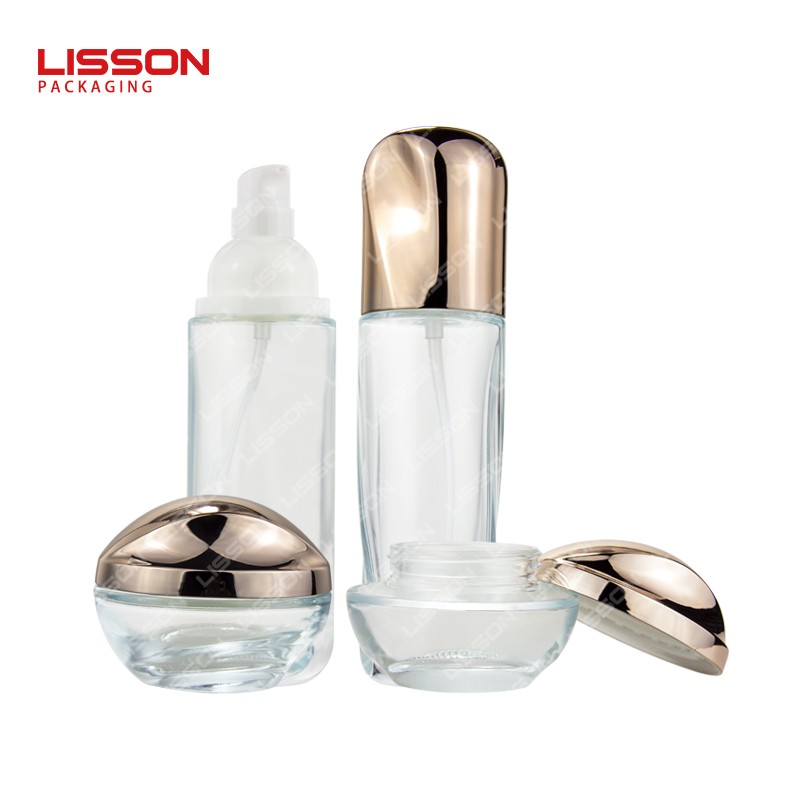
Glass cosmetic bottles and cream jars for premium skincare and beauty packaging.
For brands considering glass alternatives, LISSON also provides a range of glass cosmetic bottles and jars designed for skincare, serums, lotions, and other beauty applications.
LISSON's sustainable material options include PCR plastics, sugarcane-based materials, and alternative closure components. Brands can compare these solutions according to their product requirements, packaging design, and environmental objectives.
Finding a suitable recyclable plastic bottle supplier requires more than comparing product prices or selecting a material based on its environmental claims. Brands need a manufacturing partner that understands packaging performance, customization, material specifications, and production consistency.
Before starting a packaging project, purchasing and product development teams should consider the following questions:
For brands developing private-label skincare or personal care products, these questions help reduce the risk of selecting packaging that looks attractive but does not perform as expected during filling, shipping, or consumer use.
It is also useful to evaluate the manufacturer's wider product range. Different formulations may require different dispensing structures, bottle materials, and closure systems.
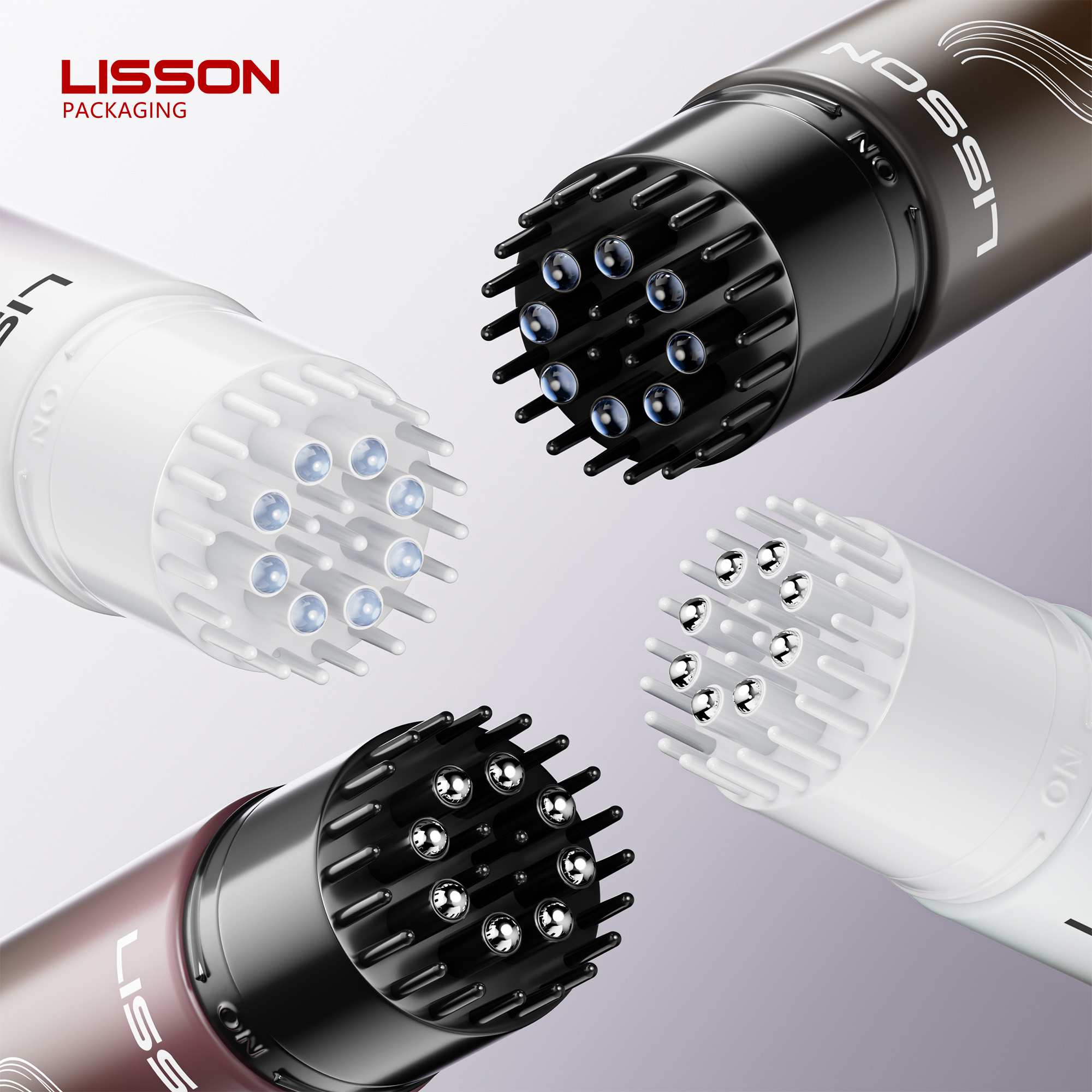
Specialized applicator bottle designs for hair care and scalp treatment products.
As a cosmetic packaging manufacturer, LISSON provides OEM/ODM services covering bottle design, mold development, material selection, customization, sampling, and mass production. Its custom cosmetic packaging services help brands develop packaging according to their product specifications and brand identity.
LISSON understands that sustainable packaging needs to work in real commercial applications. Beauty brands need containers that protect their formulations, support efficient filling operations, maintain consistent quality, and reflect their market positioning.
To support these requirements, LISSON provides a range of cosmetic and personal care packaging solutions, including plastic bottles, airless bottles, glass bottles, and cosmetic jars.
Its sustainable packaging options include:
For beauty brands planning to introduce a new sustainable skincare or personal care range, working with an experienced packaging manufacturer can make material evaluation and product development more manageable.
LISSON supports customers throughout the packaging development process, from initial design discussions and sample evaluation to customized manufacturing and delivery. Brands interested in developing recyclable plastic bottles or other environmentally conscious packaging can contact LISSON to discuss their project requirements.
Recyclable plastic bottles are commonly used for packaging skincare lotions, facial cleansers, shampoos, conditioners, body washes, and other personal care products. The appropriate material depends on the formula, bottle design, dispensing requirements, and available recycling infrastructure.
Regular PET is generally produced using virgin raw materials, while PCR-PET is manufactured using recycled plastic collected after consumer use. Both can be used in suitable packaging applications, but PCR-PET may differ in color, clarity, and physical properties depending on the recycled resin quality and processing conditions.
Yes. PCR-PE can be considered for selected shampoo, lotion, conditioner, and personal care packaging applications. Brands should confirm the specific resin grade, formula compatibility, mechanical performance, and applicable regulatory requirements before production.
Not necessarily. A recyclable material does not guarantee that a bottle will actually be recycled. Collection systems, sorting facilities, material combinations, labels, and local recycling rules all influence its end-of-life outcome. Brands should assess the complete packaging structure rather than relying on material labels alone.
Customization options depend on the recycled material and manufacturing process. Bottle capacity, shape, color, closure, and logo decoration may be developed according to project requirements. It is advisable to confirm the available options and evaluate samples before approving mass production.
Yes. LISSON offers sustainable packaging options including PCR-PET bottles, PCR-PE bottles, sugarcane-based materials, and bamboo and aluminum closure options. The company also provides OEM/ODM customization services for beauty, skincare, and personal care brands.
Recyclable plastic bottles can play an important role in helping beauty brands move toward more responsible packaging. By combining recycled materials, lightweight bottle structures, thoughtful component selection, and practical product design, businesses can make meaningful improvements to their packaging strategies.
There is no single material or bottle design that works for every beauty product. The best solution depends on the formula, packaging performance, brand positioning, and recycling conditions in the target market.
Whether you are developing PCR-PET skincare bottles, PCR-PE personal care containers, or customized cosmetic packaging, LISSON can help you explore suitable material and design options for your next project.
Visit LISSON to explore its cosmetic packaging solutions and discuss your sustainable packaging requirements with the team.