무엇을 찾고 계신가요?

Your brand's priorities decide the choice between plastic and glass lotion pump bottles. Neither material wins everywhere. You must weigh product protection, sustainability, aesthetics, durability, cost, and brand alignment before you commit. Each factor shifts the answer for your specific product line.
So which material aligns best with your brand's values and target market? That question drives every smart packaging decision. A glass vs plastic debate rarely ends in a tie, yet the right answer depends on your goals. Brands like Lisson weigh these exact factors when they select packaging partners. You should do the same. Compare both materials honestly, then match your lotion bottles to the customers you serve.
Glass protects your formula from oxygen and chemicals. It keeps active ingredients strong and safe.
Plastic bottles are lightweight and shatter-resistant. They are great for travel and families with kids.
Glass bottles feel premium and support sustainability. They can be recycled endlessly and refilled many times.
Plastic costs less upfront and ships cheaper. But glass may offer better long-term value for premium brands.
Your brand values and customers decide the best material. Match your bottle to your product and audience.
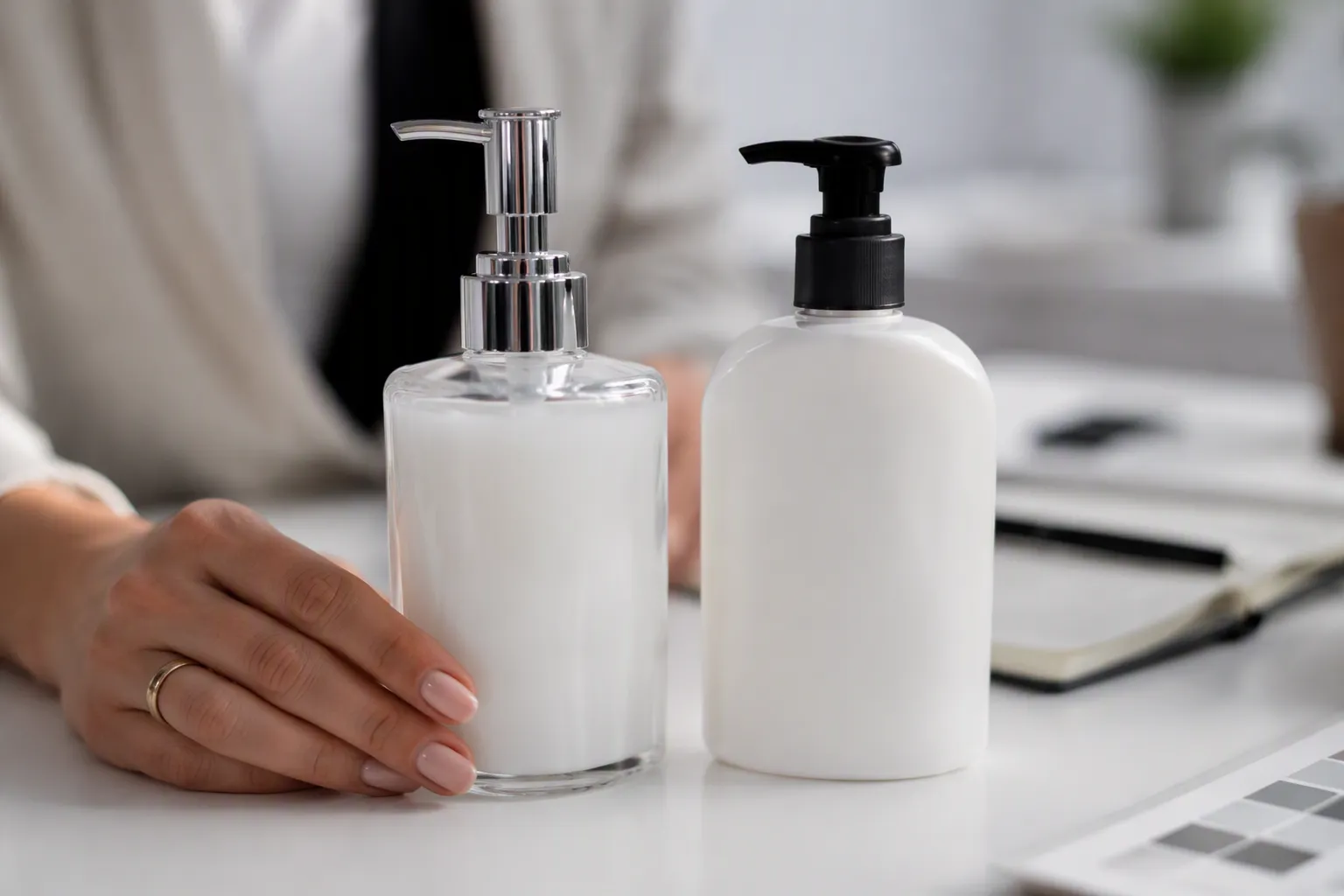
Glass gives your formula a near-perfect shield against oxygen. Packaging research shows glass allows near-zero gas permeation, so it creates a sealed environment that preserves sensitive ingredients. Many plastics behave differently. PET lets tiny amounts of oxygen pass through over long storage, and that permeation can shorten the shelf life of your product. HDPE resists moisture well but offers only a moderate gas barrier.
|
Material |
Oxygen transmission / barrier behavior |
|---|---|
|
Glass |
Nonporous and inert; prevents oxygen from affecting the lotion, making it ideal for sensitive formulations |
|
PET |
Limited oxygen barrier; slight permeability over long storage |
|
HDPE |
Good moisture resistance but only moderate gas barrier |
Different plastics have different barrier properties, and some can allow greater permeation of oxygen or interaction with certain formulations over time.
You should treat this difference as a shelf-life decision. A vitamin C serum or a retinol cream loses potency when oxygen reaches it. Glass lotion bottles protect those actives far better than most plastic options. Plastic still wins on impact resistance, though. It survives drops and fits easily into a gym bag or carry-on, which matters for on-the-go products.
Glass does not leach chemicals into your formula. Some plastics may interact with certain ingredients, especially oil-based lotions. Plastic cosmetic packaging carries a high risk of phthalates and BPA leaching into the product over time. Cosmetics contain oils and solvents that can quickly compromise the integrity of plastic. Ingredients such as oils, alcohols, and extracts accelerate plastic breakdown, so chemicals inside the plastic assimilate into the formula. Those chemicals may then reach the skin and absorb into deeper layers.
Phthalates are colorless, odorless, oily liquids used to make plastics more durable. They also work as solvents and stabilizers in fragrances. Common types include di-(2-ethylhexyl) phthalate, dibutyl phthalate, benzyl butyl phthalate, and diisononyl phthalate. They usually hide inside the ingredient "perfume," so most labels never mention them.
Regulations exist to control this risk. The FDA requires cosmetic packaging to be free from harmful chemicals and to avoid negative reactions with the product. The EU Cosmetic Products Regulation (EC) No 1223/2009 demands non-toxic, compatible packaging and prohibits migration of harmful substances. ISO 22716:2007 sets good manufacturing practice guidelines for cosmetic packaging materials. Certifications held by suppliers validate adherence to these standards. Verifying those credentials helps you avoid contamination, regulatory non-compliance, and reputational damage.
Your takeaway is simple. Choose glass for water-based and active-heavy formulas. Choose plastic only when you confirm the resin is certified non-toxic and compatible with your specific formulation.
This material offers an environmental advantage that plastic cannot match. You can recycle it infinitely without losing any quality or purity. Each recycled bottle becomes raw material for a new container. This closed-loop system advances your sustainability goals for lotion packaging. Many consumers now seek sustainable packaging for their personal care products. By choosing this material, you help reduce waste and fight plastic waste accumulation. Glass maintains its structural integrity through countless recycling cycles. No downcycling occurs with glass.
Glass lotion bottles offer a reusable option that plastic cannot match. A bottle with a silicone base can last for decades. You can refill it repeatedly. Plastic versions typically cloud, crack, or absorb odors over time. That degradation forces replacement, which adds more waste. Your customers can use reusable soap dispensers as a permanent fixture in their home. They value a product that is both durable and reusable. The savings from reuse outweigh the initial purchase cost.
However, you should weigh the full picture. This material requires extensive mining for raw materials like silica sand. The mining process carries its own environmental impact. Even with its infinitely recyclable nature, the initial extraction causes environmental harm. Compare this to plastic, which also requires petroleum extraction. The glass vs plastic decision involves trade-offs at every stage. No material choice offers a perfect solution from every angle.
Many customers associate glass lotion bottles with luxury. These containers feel substantial in the hand. The smooth surface and transparent body let your formula's color shine through. This visual appeal builds brand trust before the first use. Glass communicates quality through its weight and clarity. Customers perceive higher value in these materials.
Glass cosmetic pump bottles deliver a premium feel that plastic cannot replicate. They also support eco-conscious brand positioning. Customers who value sustainability recognize the benefits of choosing glass. They see a refillable glass lotion bottle as a statement of responsibility. A glass soap dispenser with a pump becomes part of their daily routine. The benefits of glass soap bottles extend beyond aesthetics. The mechanism feels more durable when attached to a heavy base. This combination reinforces your commitment to both design and the environment.
A plastic lotion pump bottle weighs far less than its glass counterpart. You save on shipping costs and reduce breakage during transit. Drop a plastic bottle on a tile floor, and it bounces. Drop a glass one, and you sweep up shards. This durability matters for e-commerce brands that ship directly to customers. Every damaged unit costs you a replacement and a unhappy review.
Plastic resists cracking when you toss it into a gym bag or a suitcase. The material flexes under pressure instead of fracturing. That flexibility gives you peace of mind for travel-sized lotion products. You can pack them without wrapping each one in bubble wrap. The lightweight nature also appeals to customers who carry their skincare products throughout the day. A lighter bottle feels more convenient in a purse or backpack.
Silicone bottles push durability even further. Among bottle materials, silicone offers the highest resistance to impact and deformation. You can squeeze, drop, or crush a silicone bottle, and it returns to shape. For extreme durability needs, silicone stands as the strongest plastic alternative. Consider it for products aimed at outdoor enthusiasts or frequent travelers.
Glass shatters into sharp fragments. That reality makes glass a risky choice for households with pets or young children. A curious cat knocks a bottle off a counter. A toddler grabs a container from a low shelf. With glass, both scenarios end in broken pieces and potential injury. Plastic eliminates that danger entirely.
A plastic lotion bottle will not shatter. It may crack under extreme force, but it produces no sharp edges. Parents can leave plastic bottles on a bathroom counter without worry. Pet owners can store lotion products on a nightstand without fear. This safety advantage extends to the pump mechanism as well. A plastic pump poses no breakage risk if it falls.
The glass vs plastic decision often comes down to your customer's household. Families with young children and pet owners represent a large market segment. They actively seek plastic alternatives for safety reasons. Your brand can meet that need with durable, shatter-resistant packaging. The functionality of plastic shines in these everyday scenarios. You deliver convenience and safety in one package.
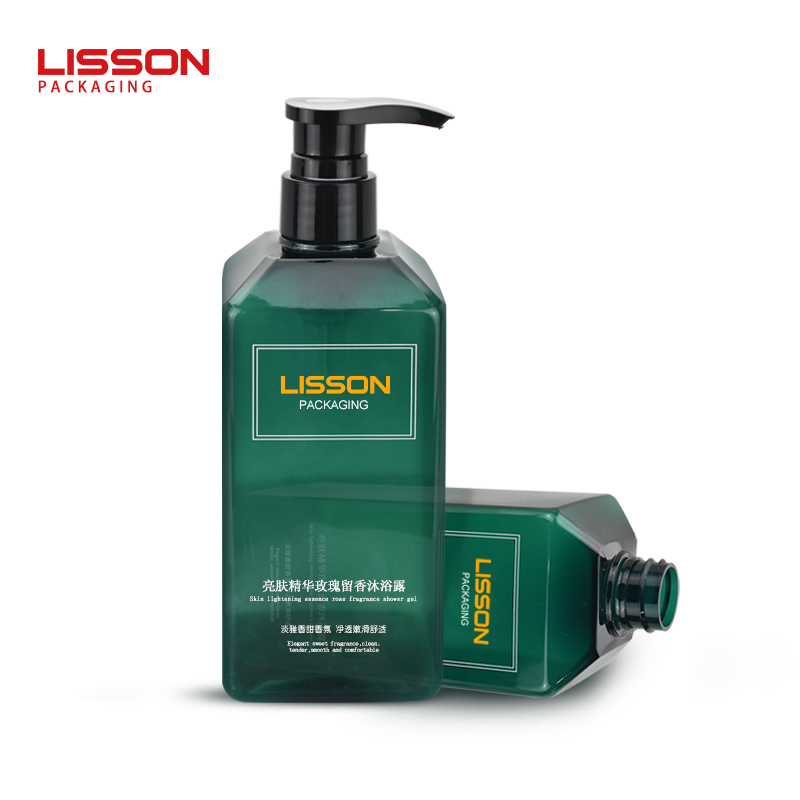
Glass communicates luxury through touch and sight. A frosted finish creates a soft, premium texture that signals high quality instantly. You can combine it with black-gold trim for an upscale skincare look. Screen printing applies designs directly onto the container surface. The artwork becomes part of the bottle itself rather than a sticker. This seamless approach enhances brand perception.
Metallic embossing adds another layer of tactile luxury. The raised texture catches light and invites touch. Glass cosmetic pump bottles benefit from this technique because the weight amplifies the premium effect. Diamond embossed options with gradient black-clear finishes create extraordinary shelf display. You can also use hot stamping to add shimmering foil accents. Gold or silver foils highlight logos or product names. For your glass lotion bottles, consider engraved patterns or frosted panels that align with your brand story. For eco-conscious consumers, a refillable lotion bottle with pump combines sustainability with aesthetic appeal. Each design element builds trust and tells a cohesive narrative.
Plastic offers design freedom that glass cannot match. Modern technologies let plastic lotion pump bottles mimic premium aesthetics while retaining durability. Thick-wall PETG construction replicates the weight and premium hand feel of glass. High-grade acrylic provides the ultimate heavy-wall premium feel with glass-like clarity and superior shatter resistance. Double-wall construction pairs an acrylic outer wall with a chemical-resistant inner liner. This creates a luxury depth effect that rivals glass.
For finishing options, consider these approaches:
Metallic electroplating on acrylic surfaces provides a deep jewel-toned reflective look.
Silk screen printing on plastic creates bold long-lasting designs that resist fading.
UV printing works on various materials with high resolution and no minimum order quantity.
Heat transfer printing delivers sharp images on different bottle shapes.
Your lotion products benefit from these decorative techniques. Frosted finishes on plastic surfaces offer a matte texture that feels soft and reduces glare. A well-chosen lotion pump bottle reinforces your brand identity at every touchpoint. Before you choose, evaluate how each material supports your brand story. Glass lotion bottles convey heritage and luxury. Plastic options prioritize practicality and modern versatility. Lisson helps you navigate these decisions with customization options for both materials. You can select different styles, surface finishes, and branding techniques that match your vision.
High-grade acrylic provides the ultimate heavy-wall premium feel with glass-like clarity and superior shatter resistance, making it the top choice for luxury retail and global shipping.
You pay less upfront for plastic. Plastic lotion bottles cost about 50% less to manufacture than glass. That lower unit price helps when you launch a new product line on a tight budget. Shipping also favors plastic. A plastic lotion pump bottle weighs less, so you move more units per truckload. That lighter weight reduces fuel use and transportation emissions per item.
Order minimums tell a different story. Plastic bottles and jars commonly require 3,000–10,000 pieces. Glass containers often start at 1,000–5,000 pieces. For many factories, a standard minimum order quantity sits around 3,000 pieces for in-stock glass lotion bottles. Custom colors or shapes push that number higher. Some suppliers, like Anhui Likun Packaging, start at 20,000 units for luxury glass. Others, like Somang, begin at 10,000 units. Calaso handles low minimums case by case and warehouses inventory in the United States.
The lower sticker price of plastic hides real costs. Plastic often needs multilayer barriers to protect your formula, which adds expense and complexity. Lightweight plastic also punctures and deforms in transit, causing product loss. Glass offers long-term recyclability and material stability, but it is heavier and more fragile. Glass breakage in e-commerce fulfillment runs 1–3% with proper packaging. Poor insert design pushes that rate higher. For brands shipping 10,000 or more units per month direct to consumers, each break costs you a replacement, customer service time, and brand damage.
Glass carries a total landed cost 4–7x more than PET when you add container, freight, tooling, secondary packaging, and breakage. Yet glass can be reused many times without quality loss. Plastic has limited reuse capacity. High return rates are the critical factor for glass to realize its environmental advantages. A refillable lotion bottle with pump lets your customers reuse the same container for years. That durability and purity make glass a better long-term value for premium lines. Refillable glass lotion bottles also support sustainability marketing that plastic cannot match.
Your material choice sends a message before a customer reads a single word on your label. Glass signals premium quality and environmental responsibility. A shopper picks up a heavy, clear glass lotion bottle and instantly reads luxury. Plastic signals value, practicality, and convenience. A lightweight plastic lotion pump bottle tells budget-conscious buyers that you respect their wallet. Neither message is wrong. You simply must match the signal to your brand story.
Consider your price point. A luxury serum priced at the top of the market demands glass. The weight and clarity justify the cost in the customer's mind. A family-sized body lotion sold at a drugstore chain fits plastic perfectly. Your customer wants an affordable product that survives a busy bathroom. The material reinforces that promise.
Your distribution channel matters too. E-commerce brands face higher breakage risk with glass. Retail brands with shelf presence benefit from the visual appeal of glass. Travel-focused lines need the shatter resistance of plastic. Each channel pushes your decision in a different direction.
Consumer demand for refillable and sustainable packaging keeps climbing. The global refillable packaging market reached USD 47.49 billion in 2025. Analysts project USD 62.60 billion by 2030, a compound annual growth rate of 5.7%. Asia–Pacific holds 46.2% of market revenue and grows at 6% annually. These numbers show that refill systems are no longer a niche experiment.
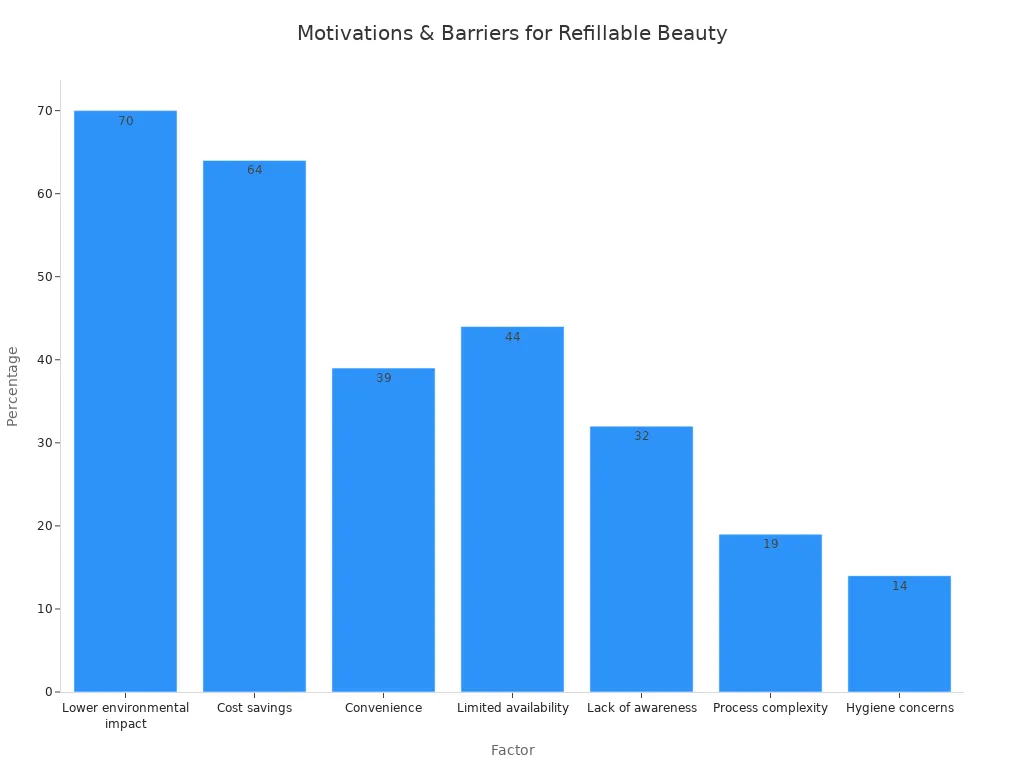
Shoppers reward brands that act. About 61% of global shoppers say environmental sustainability influences their purchases. Roughly 82% will pay a premium for sustainable packaging. Purchase intent rises 79% when brands display refillable claims. In France, 59% of women bought at least one beauty refill in the past year. Their top motivations were lower environmental impact at 70%, cost savings at 64%, and convenience at 39%. The biggest barrier remains limited availability at 44%.
Brands already prove the model works. Kiehl's refillable pouches cut plastic use by about 80% versus standard bottles. Garnier's shampoo refill uses 71% less plastic than a 360 ml bottle. L'Oréal's refill transition achieved over 60% reduction in packaging-related CO2 per product cycle. A 2024 Bain & Company study found 65% of beauty consumers more likely to repurchase from brands offering refillable packaging. A 2023 Statista report showed 70% of beauty consumers prefer sustainable brands. Refillable packaging could cut beauty industry carbon emissions by up to 70%, and a 2024 McKinsey report links refill systems to a 40% reduction in supply chain emissions. The beauty industry still generates 7.7 billion pounds of plastic waste each year, so the pressure to change remains intense.
|
Region |
Market Share (2024) |
Projected CAGR (through 2030) |
Key Drivers |
|---|---|---|---|
|
North America |
~38% |
— |
Strong sustainability regulations; high adoption in cosmetics and food & beverages |
|
Europe |
~30% |
8.2% |
EU directives on plastic waste; sustainability-driven policies in Germany, France, UK |
|
Asia–Pacific |
~18% |
9.5% |
Rapidly growing middle class; rising environmental consciousness in China and India |
|
LAMEA |
Smaller share |
— |
Regulatory policies and consumer awareness; challenges include cost sensitivity and infrastructure gaps |
Lisson helps brands navigate material selection based on target market preferences. The company matches your lotion packaging to the audience you serve. A refillable lotion bottle with pump suits eco-conscious buyers in Europe. A durable plastic lotion pump bottle fits value-driven shoppers in emerging markets. Your brand values and your customer's values must align. That alignment turns a packaging decision into a brand strategy.
You now see the trade-offs clearly. Glass lotion bottles win for premium, sustainable brands. Plastic serves budget-conscious, travel-friendly lines. Neither material is inherently better. Your values, audience, and product goals decide the glass vs plastic question. Evaluate your priorities using the factors above. A partner like Lisson guides material selection and customization. Material innovation keeps evolving, offering more sustainable and functional options. Choose the lotion pump bottle that fits your brand, then refine your lotion packaging as new reusable designs emerge. Your lotion succeeds when the bottle matches the promise inside it.
Glass wins here. It blocks oxygen almost completely and never leaches chemicals into your product. Choose glass lotion bottles for vitamin C, retinol, or any active-heavy formula. Pick plastic only when you confirm the resin is certified non-toxic and compatible with your ingredients.
Yes, upfront. A plastic lotion pump bottle costs about 50% less to manufacture. Shipping runs cheaper too, since plastic weighs less. Glass carries a total landed cost 4–7x higher than PET once you add freight, tooling, and breakage. Long-term value depends on your refill strategy.
Plastic typically requires 3,000–10,000 pieces. Glass often starts at 1,000–5,000 pieces, though custom colors push that number higher. Some luxury suppliers begin at 10,000–20,000 units. Confirm minimums before you commit to a design.
Yes. A refillable lotion bottle with pump lets customers reuse the same container for years. Glass holds up through countless refills without clouding or absorbing odors. This supports sustainability claims and builds repeat purchase loyalty among eco-conscious buyers.
Plastic. It resists impact, will not shatter, and stays safe around pets and children. A lightweight plastic lotion pump bottle also packs easily for gym bags and carry-ons. Choose glass for shelf display and premium positioning instead.