무엇을 찾고 계신가요?

An EVOH barrier bottle is a plastic container with a specialized layer that blocks gases and moisture from passing through its walls. The material behind this layer is EVOH, short for ethylene vinyl alcohol copolymer, a resin that packagers value for its gas and moisture barrier performance. Cosmetic formulators rely on this protection because many ingredients degrade when air or water vapor reaches them. Oxygen slips through ordinary plastic walls with ease. A bottle built around EVOH resists that movement far more effectively. This article explains why the material matters in cosmetic packaging and how it shields formulations from oxidation, contamination, and aroma loss during storage and use.
EVOH barrier bottles block almost all oxygen and moisture, keeping cosmetic ingredients fresh and effective.
The barrier layer traps fragrance inside and keeps outside odors out, so scents stay true.
Multi-layer construction protects the EVOH core, making the bottle strong and resistant to moisture.
EVOH barrier bottles extend shelf life and maintain product potency, giving brands a competitive edge.
Brands can customize the outer layer for design and printing without losing barrier protection.
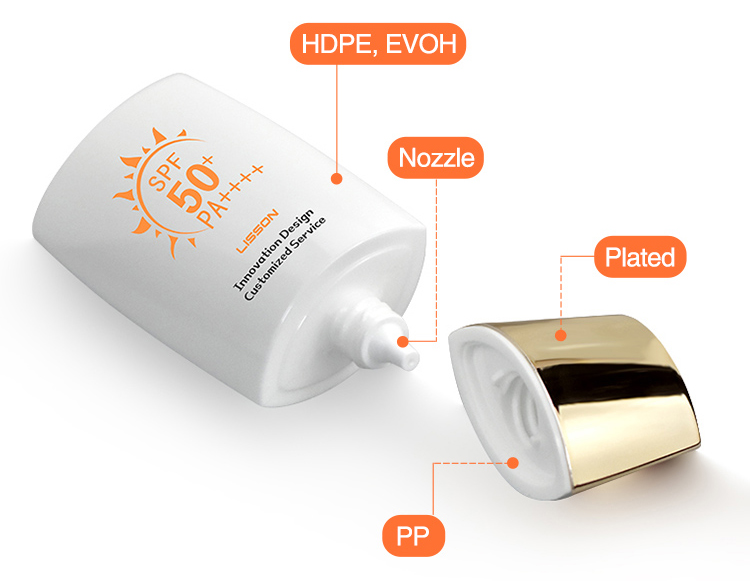
Cosmetic packaging must do more than hold a product. It must defend the formula inside from the surrounding air. This is why EVOH is important for cosmetic packaging. The resin blocks roughly 99% of oxygen, nitrogen, and carbon dioxide, so gases struggle to pass through a bottle wall built around it. That figure matters for creams, serums, and lotions that lose quality once outside air reaches the fill.
Gas control sits at the center of package design. Oxygen and migration barrier protection decides whether an active ingredient stays stable through shipping and storage. EVOH delivers the main oxygen and migration barrier in a thin layer, which lets a brand achieve improved oxygen barrier results without a heavy or bulky container. The material comes in several forms. Non-stretched EVOH suits simple molded parts. Two-way stretch grades work well in blown bottles and tubes. Vapor-deposited EVOH applies as a thin coating on a substrate. Each type serves a different production route, yet all share the same core strength: they slow gas movement through the wall.
Barrier performance is a core protective requirement for cosmetic bottles, not a luxury add-on. A formula with vitamins, plant extracts, or fragrance oils reacts to oxygen over time. The reaction shows up as color shift, texture change, or a weaker scent. High-barrier plastic bottles reduce that risk from the first day of filling. A custom EVOH skincare bottle gives a formulator a predictable environment inside the pack, so the product performs as designed until the last use.
Fragrance is part of the product experience, and it is fragile. Volatile aroma compounds escape through ordinary plastic walls. They also absorb odors from the outside. An EVOH barrier layer holds those compounds inside the container and keeps outside smells out. The result is a scent profile that stays true from factory to bathroom shelf.
This retention supports the barrier performance story in a visible way. Consumers notice a weak or altered fragrance immediately. They rarely see oxygen damage directly. A high-performance barrier material protects both, and it does so without changing the look or feel of the package. Brands that sell scented lotions, perfumed creams, or fragranced serums gain a practical advantage here. An EVOH barrier sunscreen bottle shows the same principle at work, because sunscreen actives and fragrance notes both degrade when air and vapor move freely through the wall.
The barrier layer also limits migration in the other direction. Dyes, plasticizers, and residues from the container stay out of the formula. That two-way control is what separates EVOH from a simple coating. It protects the product and the consumer at the same time.
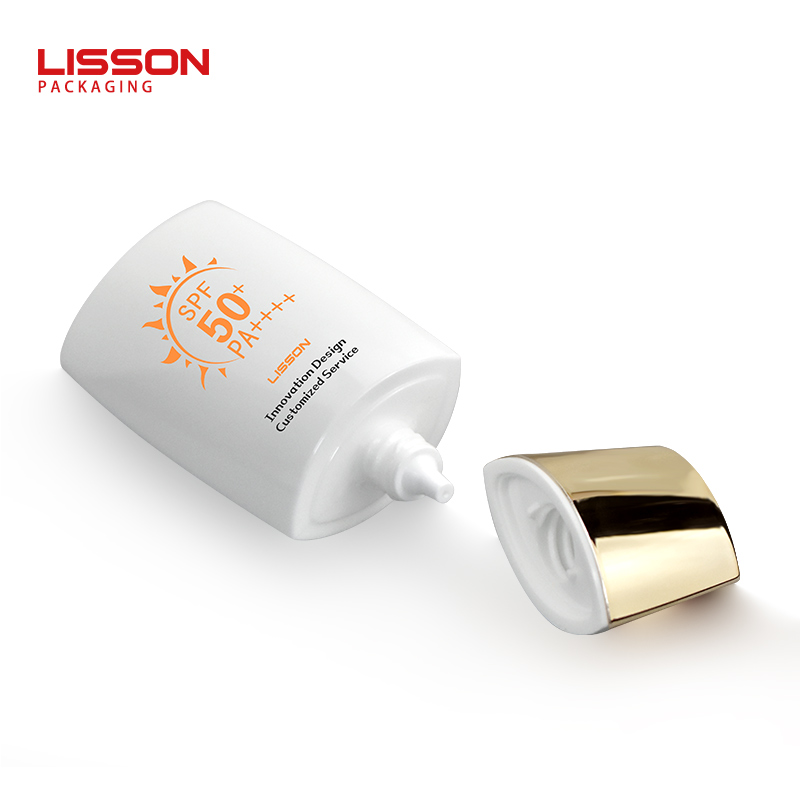
Oxygen drives the slow decay of many cosmetic actives. Vitamin C, retinol, and natural plant oils react with oxygen the moment air reaches them. That reaction shortens the half-life of the ingredient, which means the formula loses potency before the consumer finishes the pack. Visible damage follows. A serum that starts clear may turn yellow or brown. A cream may develop an off odor or a grainy texture. Each of these changes signals that the active has broken down.
An EVOH barrier bottle interrupts this process at the wall. The EVOH layer holds back oxygen and moisture ingress, so the fill stays in a stable environment through shipping, storage, and daily use. Formulators who test a sensitive sunscreen or foundation formula see the difference in accelerated aging trials. The same formula in a single-layer plastic bottle often shows color shift and viscosity drift far sooner.
The main oxygen and migration barrier in the wall does more than slow gas entry. It also limits ingredient migration from the pack into the product. That two-way control supports formula protection on both sides of the wall. Brands that run compatibility testing confirm the pack and the fill coexist without either one degrading the other.
Water vapor moves through ordinary plastic with little resistance. An emulsion that loses water to the wall thickens, cracks, or separates. A water-based gel may dry at the surface and form a skin. The EVOH layer protects sensitive formulas from this loss by presenting a dense, polar barrier that water vapor struggles to cross. Single-layer plastic bottles lack that internal shield, so moisture escapes steadily over the product's life.
Aroma loss follows the same path. Fragrance volatiles pass through a plain wall and leave the pack smelling weaker than the batch it came from. EVOH barriers hold those volatiles inside. The scent stays consistent from the first pump to the last.
High-activity formulations often need more than one barrier. A sunscreen and liquid foundation combination, for example, carries UV filters, pigments, and emollients that each respond to air and vapor differently. Multi-layer EVOH barrier structures give formulators a way to tune protection for each concern. An EVOH barrier sunscreen bottle built this way keeps actives stable while the outer layers provide strength and printability. The EVOH layer protects sensitive formulas without forcing a compromise on package appearance or feel.
An EVOH barrier bottle rarely uses EVOH alone. The resin absorbs moisture readily, and that weakness limits its barrier performance in humid conditions. Manufacturers solve this problem by burying the EVOH barrier layer between protective skins. A typical wall places an outer structural layer, a tie layer, the EVOH core, another tie layer, and an inner product-contact layer. This five-layer build gives the multi-layer EVOH bottle its strength, its print surface, and its chemical resistance. The EVOH layer does one job: it stops gas and vapor movement.
The arrangement matters for packaging compatibility. The inner layer touches the formula directly, so it must resist attack from oils, solvents, and acids. The outer layer carries the brand and absorbs handling wear. The EVOH core stays sealed away from both. Lisson builds custom EVOH barrier bottle and tube options around this principle, matching layer materials to each formula's chemistry. A custom EVOH skincare bottle may use a different inner layer than a shampoo pack, yet both rely on the same buried barrier. This multi-layer structure also supports compatibility testing, because each layer has a defined role and a known contact surface.
Tubes with EVOH barrier follow the same logic in a different format. A multi-layer tube wall sandwiches the EVOH between polyolefin skins, so the barrier survives squeezing, rolling, and repeated flexing. Multi-layer tubes suit gels, creams, and ointments that lose potency when oxygen reaches the fill. The buried barrier also limits ingredient migration from the tube wall into the product, which protects sensitive actives near the orifice and along the shoulder.
Brands often pair bottles and tubes in one product line. A serum may ship in a multi-layer EVOH bottle, while its travel size uses a tube with the same barrier chemistry. This approach keeps barrier performance consistent across a range. Lisson supplies both formats, so a brand can source a matched set from one partner. Multi-layer barrier packaging of this kind gives formulators a practical route to longer shelf life without changing the product's look or feel.
Shelf life is a measurable outcome, and an EVOH barrier bottle improves it in ways a brand can track. Accelerated aging trials compare the same formula in different packs. The EVOH version typically holds its color, texture, and active concentration longer than a single-layer alternative. A formulator can document that gap and translate it into a longer stated expiration date. That extra time on the shelf carries real commercial value. Retailers accept longer dating, and consumers use more of the product before it degrades.
Active ingredient protection drives much of this gain. Vitamins, retinol, and plant extracts keep their potency when oxygen stays outside the wall. The barrier layer does this work quietly, without additives or changes to the fill. A custom EVOH skincare bottle therefore lets a brand promise freshness with evidence behind the claim. Formula protection becomes a design input rather than a hope.
Barrier protection does not force a plain package. The multi-layer structure hides the EVOH core between structural skins, so the outer surface accepts color, finish, and print like any standard bottle. Brands keep their shelf presence while gaining gas and moisture control. Shapes and sizes stay flexible too. A line can run from a small serum bottle to a larger lotion pack on the same barrier platform.
Material efficiency follows from the thin core. EVOH delivers strong barrier performance in a slim layer, so the wall stays light. That reduces resin use per unit and supports lighter shipping loads. EVOH multi-layer packaging also pairs well across formats. Multi-layer tubes share the same chemistry as bottles, which keeps packaging compatibility simple for a brand running both. A sunscreen and liquid foundation line, for example, can use one qualified barrier system across several SKUs. The result is a coherent range with fewer variables to test.
An EVOH barrier bottle blocks oxygen, moisture, and gases at the container wall. That barrier keeps a cosmetic formula stable, potent, and true to its intended scent through storage and daily use.
The structure explains the result. A buried EVOH core between protective skins delivers strong gas control in a thin, lightweight wall. Practical gains follow: longer shelf life, documented formula protection, and full design freedom on the outer surface.
Brands ready to upgrade their packaging can contact Lisson for custom EVOH barrier bottle and tube solutions built around their specific formulation.
EVOH blocks roughly 99% of oxygen, nitrogen, and carbon dioxide. Standard plastics let gases pass more freely. The resin works best as a buried core between protective skins, because moisture weakens its barrier strength when exposed directly.
No. Most bottles place the barrier layer between tie layers and product-contact skins. A custom EVOH skincare bottle may use a different inner layer than a shampoo pack. Each formula needs its own layer match, and compatibility testing confirms the pack and fill coexist without degrading.
Yes. A multi-layer tube wall sandwiches the barrier between polyolefin skins. The barrier survives squeezing and flexing. Brands can pair a bottle and a tube with matched chemistry, which keeps protection consistent across a product range.
Formulas with vitamins, retinol, plant oils, or fragrance notes gain the most. A sunscreen and liquid foundation combination also qualifies, because UV filters, pigments, and emollients each respond to air differently. An EVOH barrier sunscreen bottle keeps those actives stable through storage and daily use.
No. The outer skin accepts color, finish, and print like any standard bottle. Shapes and sizes stay flexible. The thin core keeps the wall light, which reduces resin use per unit and supports lighter shipping loads.