무엇을 찾고 계신가요?

HDPE is the ideal material for sunscreen bottles. It earns that position on four counts: technical performance, application fit, regulatory compliance, and cost-effectiveness.
Sunscreen brands face a real packaging dilemma. Formulas carry UV filters and oils. These ingredients demand a container that protects the fill, resists chemical attack, and dispenses cleanly. Material choice decides whether the product delivers on the shelf and in the customer's hand.
PET, PP, and glass each have their place in sunscreen packaging. HDPE still wins on the combined scorecard. Brands that weigh protection, durability, and value together find HDPE plastic sunscreen bottles hard to beat. The same logic explains why so many sunscreens ship in HDPE.
HDPE protects sunscreen from moisture loss and chemical reactions, keeping it stable and safe.
HDPE bottles are tough and resist heat, so they survive drops and high temperatures without breaking.
HDPE is easy to squeeze and dispense, making sunscreen application simple and mess-free.
HDPE meets FDA safety rules and is widely recyclable, which is good for people and the planet.
HDPE saves money because it is lightweight, reduces breakage, and lowers shipping and energy costs.
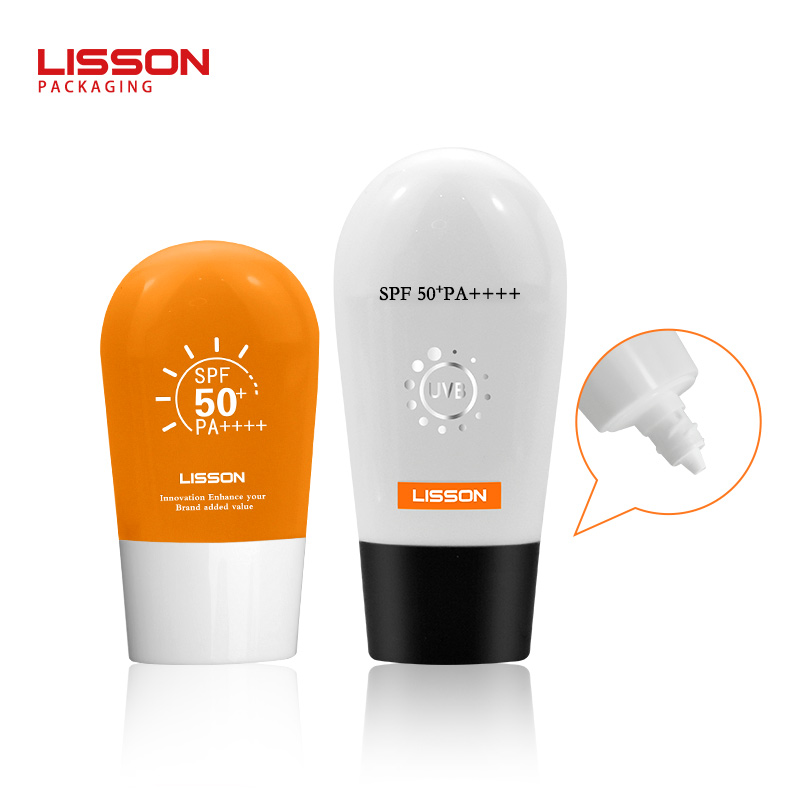
High density polyethylene earns its reputation through a tight molecular structure. That structure blocks moisture and vapor far better than many competing resins. A sunscreen formula loses water over time, and a weak barrier lets that water escape through the wall. HDPE slows the loss and keeps the emulsion stable through the stated shelf life.
Chemical inertness matters just as much. Sunscreen formulas carry UV filters, emollient oils, and fragrance compounds. These ingredients attack some plastics and pull additives out of the wall. HDPE resists that attack. The resin does not react with the fill, and it does not leach plasticizers into the product. Brands confirm this behavior through compatibility testing, which pairs the actual formula with the actual container. A passing result gives the formulator confidence that chemical compatibility holds for the full product life.
This chemical resistance extends across the whole sunscreen category. Lotions, creams, and spray formulas all sit comfortably in HDPE containers. The material also suits skincare packaging more broadly, including skincare bottles that carry actives and oils. Few packaging materials match this combination of barrier strength and inertness at the same price point.
HDPE shrugs off impact. A bottle that drops from a shelf or a beach bag rarely cracks. The resin flexes under stress and returns to shape. This toughness protects the fill and reduces returns. HDPE also resists weather, and it does not support mold or mildew growth on the surface.
Temperature performance sets HDPE apart. The material handles short-term exposure up to 248°F and continuous service up to 230°F. That range covers warehouse heat, truck interiors, and hot-fill processes. Few packaging options tolerate this without deformation.
Each material still has a natural home. PET delivers clarity for premium shelf appeal. PP handles certain flexible and hot-fill applications well. Glass offers weight and a premium feel for luxury lines. HDPE plastic sunscreen bottles win where squeeze, drop resistance, and heat tolerance matter together. HDPE plastic cream bottle designs also benefit from the same durability. Material safety and structural integrity hold across the full temperature range, and that reliability supports every downstream packaging decision.
Squeezability defines the daily sunscreen user experience. A sunscreen bottle must deliver a controlled dose with one hand, often on a beach or a tennis court. HDPE flexes under finger pressure and springs back. The wall recovers its shape, so the next squeeze works just as well. Light weight adds to the appeal. A bottle travels light in a bag and feels secure in the hand. Hand feel matters on a wet bottle, and the matte finish common on this resin keeps a firm grip. Design flexibility rounds out the picture. Sunscreen brands shape the resin into tubes, oval shapes, and flat profiles for pocket carry. A wide mouth fills fast on the line, and a narrow tip meters the dose at the point of use. Lisson supports this work with HDPE plastic sunscreen bottles and HDPE plastic cream bottles, and the company pairs mold design with decoration and closure selection. These HDPE sunscreen bottles serve lotion, cream, and spray formats across the sunscreen category.
Formula contact decides long-term success. Every fill needs compatibility testing before launch. The lab pairs the actual formula with the actual bottle and watches for swelling, softening, or color shift. Stability testing follows, and it tracks the emulsion through accelerated heat and humidity. A clean result confirms product stability and supports the stated shelf life. A failed trial sends the brand back to the resin supplier, and that delay costs launch dates. The material passes this screen for most sunscreen formulas. Its chemical resistance handles the UV filters in sunscreen formulas without leaching additives. Material safety holds because the resin stays inert against the fill. Formulators who run pet compatibility trials alongside HDPE trials often find both pass, and the choice then turns on dispensing style rather than chemistry.
The pet vs hdpe vs airless bottles question has no single answer. Each format fits a different job, and a fit guide helps brands choose with confidence. The table below sets out where each format fits best.
|
Format |
Best Fit |
Trade-off |
|---|---|---|
|
PET |
Clear walls that show the formula and lift shelf appeal |
Less squeeze recovery than HDPE |
|
Airless |
Oxygen-sensitive or preservative-light formulas |
Higher unit cost and more complex assembly |
|
HDPE |
Squeeze dispensing, drop resistance, and heat tolerance |
Opaque walls hide the fill |
This pet vs hdpe vs airless bottles comparison works as a starting filter, not a verdict. A clear gel sunscreen suits PET. A formula with oxygen sensitivity suits airless. A daily lotion in a squeeze bottle suits HDPE. No format loses here; each one serves a defined need. The same pet vs hdpe vs airless bottles logic applies to pet vs hdpe for skincare lines beyond sun care.
HDPE remains the ideal material for most sunscreens, and the reason is fit. It protects the formula, dispenses cleanly, and survives rough handling. Brands that compare pet or hdpe for a squeeze format usually land on the resin. Lisson supplies HDPE bottles and HDPE packaging for these programs, and the team helps buyers weigh format against volume. Sunscreen packaging rewards this kind of matching. Good sunscreen packaging starts with the formula, then the dispenser, then the packaging material. The resin wins that sequence for squeeze bottles, and it keeps winning across sunscreens, lotions, and creams. Skincare packaging and skincare bottles follow the same rule. Buyers who test one format against another gain a clear answer, and the answer usually favors the squeeze bottle for daily wear.
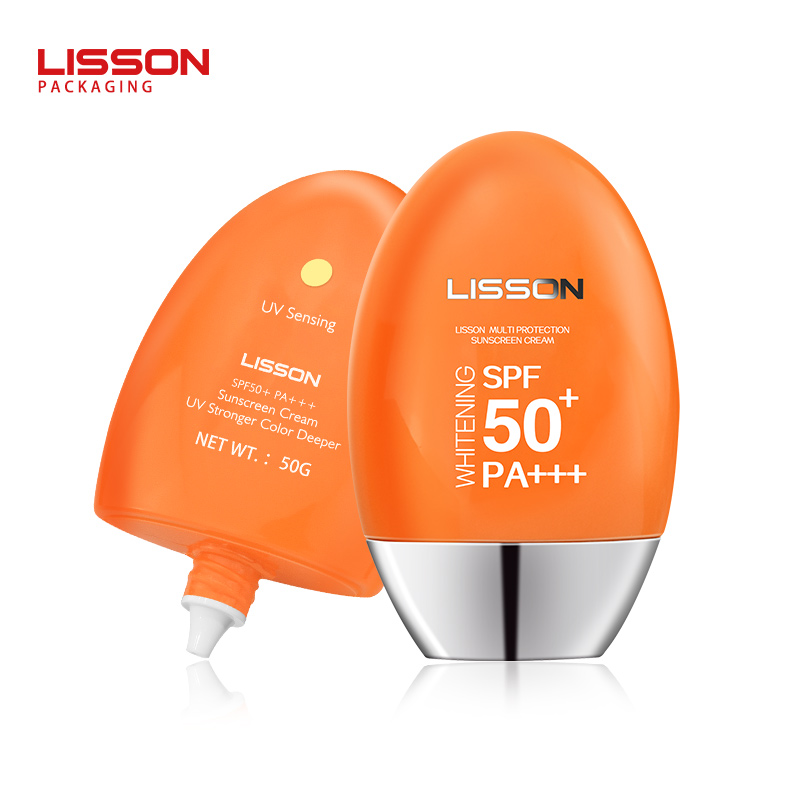
HDPE holds FDA acceptance for direct food and cosmetic contact. That status gives formulators a clear starting point. The resin meets the safety expectations for a sunscreen packaging material that touches the formula every day. Brands still verify the full package, not just the resin. Colorants, adhesives, and closures each carry their own compliance status. A complete review covers every component in the assembly.
Product safety rests on inertness. HDPE does not react with the fill, and it does not release additives into the formula. That behavior supports material safety across lotions, creams, and spray formats. Compatibility testing confirms the result for each specific formula. A lab pairs the actual fill with the actual bottle and watches for swelling, softening, or transfer. This testing protects the consumer and the brand. Documented results also support claims on the label. Buyers who request test reports before production avoid surprises at launch.
HDPE carries resin code 2, and most municipal programs accept it. That acceptance matters for sunscreen packaging, where brands face rising pressure to show a recyclable package. A rigid HDPE bottle moves through the recycling stream with established infrastructure. The material also tolerates recycled content, so brands can raise post-consumer levels without changing the production line.
Recyclability does not end at the resin. Labels, pumps, and shrink sleeves can block a clean sort. Brands that design for disassembly protect the end-of-life value of the package. A compatible label and a removable pump make the bottle easier to process. This design work strengthens the environmental story behind HDPE packaging. It also keeps the package aligned with retailer requirements. Skincare packaging faces the same scrutiny, and the same design rules apply. Brands that plan for recycling at the concept stage avoid costly redesigns later.
Resin price sets the first cost line, and high density polyethylene competes well there. The resin costs less per pound than PET in most markets, and it costs far less than glass. PP sits close to HDPE on price, yet it demands more energy at the molding stage. HDPE also molds at lower temperatures than PET, so each cycle draws less energy from the line. Faster cycles raise output per machine hour, and that gain compounds across a full production run.
The material wastes little on the floor. Scrap from trimming and rejects regrinds cleanly, and many programs feed it back into production. Glass offers no such recovery path, and PET regrind needs tighter drying control. A converter that runs HDPE bottles keeps more of every pound it buys. Lisson helps buyers weigh these factors during sourcing, and the team matches resin grade to fill volume so no material goes to waste.
Unit price tells only part of the story. A sunscreen packaging material also carries freight, breakage, and line downtime into the total. HDPE wins on all three. The resin weighs less than glass, so a truck carries more units per load. Tough walls survive shipping, and a dropped case rarely becomes a claim. Glass breaks, and every break costs a replacement plus a cleanup.
Tooling and decoration add their own lines. HDPE accepts standard blow molding and injection molding, and both processes run on widely available equipment. Brands avoid premium tooling costs that some alternative formats require. Skincare packaging programs often reuse the same molds across several SKUs, and that spread lowers the per-unit tooling charge. Skincare bottles in HDPE also skip the secondary protection that fragile formats need. Buyers who compare total landed cost usually find HDPE packaging ahead. The same holds for sunscreen packaging at scale, where small savings per unit multiply fast. Lisson tracks these costs from resin sourcing through delivery, and that visibility helps brands lock a stable budget. A sunscreen packaging material that controls cost without cutting protection earns its place on the shelf.
HDPE protects the formula through barrier strength and inertness. It fits the application through squeeze dispensing and drop resistance. It meets regulatory expectations for contact and recycling. It controls cost from resin through freight.
These four pillars make HDPE the ideal material for sunscreen bottles. PET, PP, and glass remain solid choices for other packaging needs. This recommendation is fit-specific, not a dismissal.
Brands should test HDPE plastic sunscreen bottles against their own formula and volume. Lisson supports that evaluation, from resin sourcing to finished packaging. A sunscreen packaging material earns its place through evidence, and HDPE rewards a careful review. The same logic serves skincare packaging teams who weigh material safety and total cost together.
Daily lotions, creams, and spray formats fit HDPE well. The resin stays inert against UV filters and emollient oils. Brands confirm the match through compatibility testing before launch. A clean trial result supports the stated shelf life. Formulas with high oxygen sensitivity may need an airless format instead.
HDPE usually costs less per pound than PET and far less than glass. The resin molds at lower temperatures, so each cycle draws less energy. Light weight cuts freight cost per unit. Tough walls reduce breakage claims. Buyers who compare total landed cost often find HDPE plastic sunscreen bottles ahead.
Yes. HDPE carries resin code 2, and most municipal programs accept it. The material also tolerates recycled content. Labels, pumps, and sleeves can block a clean sort, so design for disassembly matters. Good sunscreen packaging keeps the bottle easy to process at end of life.
Testing pairs the actual formula with the actual bottle. The lab watches for swelling, softening, or color shift. Stability trials follow under heat and humidity. A pass confirms material safety and supports label claims. Skipping this step risks leaks, returns, and launch delays for any packaging material.
An HDPE plastic cream bottle suits squeeze dispensing and rough handling. Airless formats protect oxygen-sensitive fills but cost more per unit and need complex assembly. Neither format loses here. The formula and the dispenser style decide the fit. Skincare packaging teams often run both side by side.