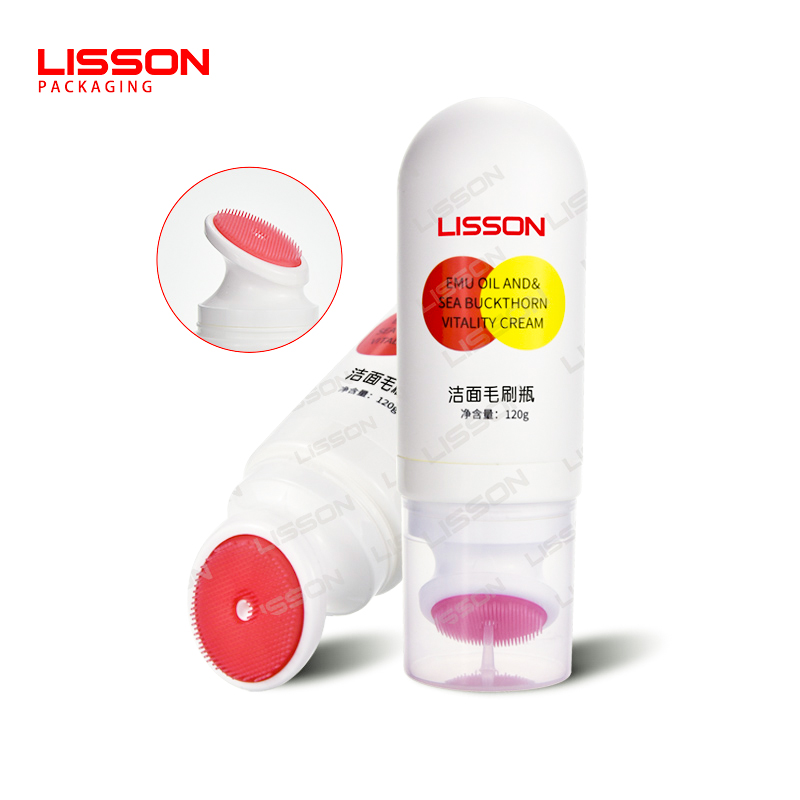
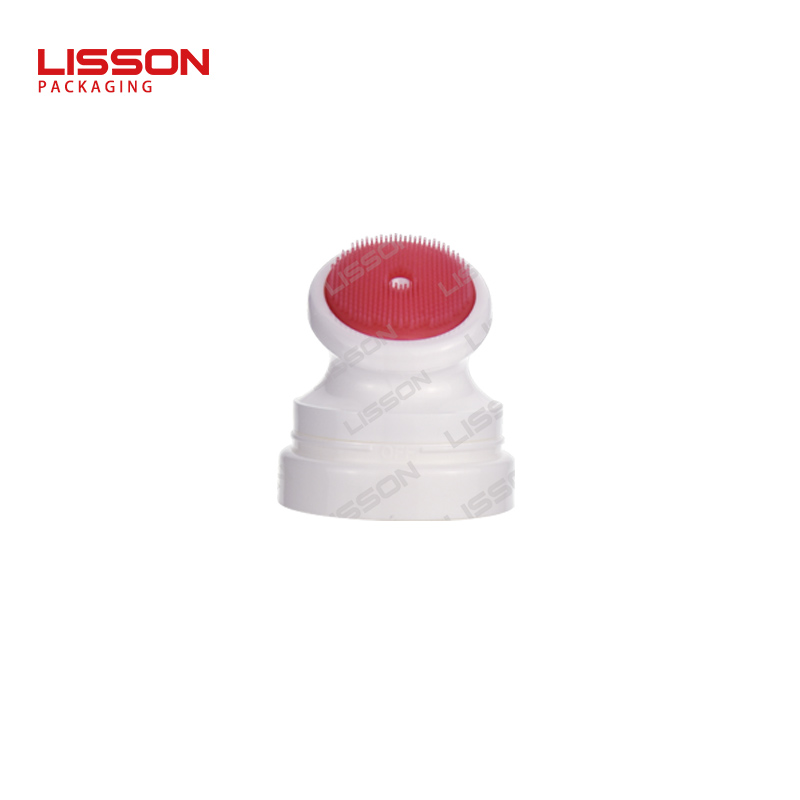
Integrate your 120g facial cleanser formula into the Silicone Brush Applicator Plastic Bottle through precise manufacturing steps. First, evaluate your gel or liquid cleanser viscosity to guarantee smooth movement through the internal pump mechanism. Next, execute volumetric filling to load exactly 120g of product into the lightweight HDPE container under cleanroom conditions. Secure the pump assembly firmly onto the neck threads to create an airtight seal. Finally, press the medical-grade silicone brush cap onto the bottle assembly until the overcap locks. This mechanical alignment prevents leakage during transit, preserves formulation stability, and ensures immediate dispensing functionality for your commercial skincare line.
Key Takeaways
-
Rigid HDPE plastic protects sensitive skincare liquid formulas from moisture and daily damage.
-
Medical-grade silicone bristles stop bacteria growth and clean easily with simple tap water.
-
Automated volumetric filling machines load exactly 120g of cleanser formula without messy air bubbles.
-
Strict pressure testing ensures the threaded pump assembly prevents liquid leaks during shipping.
-
The soft brush top gently removes dead skin cells while dispensing cleanser directly onto your face.
Selecting Materials for a Silicone Brush Applicator Plastic Bottle

HDPE Resin Advantages and Chemical Compatibility
You must select optimal primary packaging materials to protect your liquid and gel facial cleanser formulations. High-Density Polyethylene (HDPE) resin provides a lightweight container structure alongside superior impact resistance. This durable plastic prevents structural deformation or cracking during high-speed factory filling, bulk shipping transit, and daily consumer handling. You guarantee long-term formula stability because the rigid bottle walls withstand physical stress without compromising package integrity.
HDPE displays outstanding barrier protection against moisture vapor, safeguarding sensitive active skincare ingredients from high ambient humidity and environmental degradation over extended storage periods. The resin also exhibits very high chemical resistance against aggressive surfactants, botanical oils, and complex active chemical compounds present in modern facial cleansers. You can evaluate how HDPE resin compares directly to alternative packaging materials across key physical performance metrics:
|
Property |
PET |
HDPE |
|---|---|---|
|
Impact Strength |
Good |
Excellent |
|
Durability |
Moderate |
High |
|
Chemical Resistance |
High |
Very High |
|
Moisture Barrier |
Good |
Excellent |
Medical-Grade Silicone Bristle Hygiene and Safety
You optimize skin safety and formula efficacy by pairing your durable container with the proper dispensing applicator head. Integrating a soft, medical-grade silicone brush top directly onto your 120g facial cleanser bottle enhances raw product purity during daily consumer use. Unlike porous traditional materials, non-absorbent silicone bristles refuse to soak up liquid or gel cleanser formulas. This hygienic applicator design eliminates unnecessary product waste, ensuring consumers utilize every gram of cleanser efficiently.
Third-party clinical trials demonstrate that medical-grade silicone is 35 times more hygienic than nylon bristles in facial brush applicators. The non-porous, bacteria-resistant surface actively prevents microbial growth between uses, allowing consumers to rinse the applicator head clean using simple tap water. Utilizing a Silicone Brush Applicator Plastic Bottle protects sensitive skin routines from cross-contamination. Your skincare brand maintains strict product safety standards while offering consumers a comfortable, gentle facial cleansing experience every single day.
Precision Filling and Assembly Workflow
Pre-Sterilization and Volumetric Filling Techniques
You must execute a clean, controlled packaging process to maintain total product purity during commercial manufacturing. First, convey your empty high-density polyethylene containers directly into a certified cleanroom environment. High-velocity ionized air jets blast into the bottle interiors to dislodge and remove any lingering airborne micro-particles. Immediately after air washing, the bottles move systematically to the primary container sanitization station. High-intensity ultraviolet lamps illuminate the interior surfaces to destroy microbes efficiently before product contact.
In Food & Beverage plants, many packaging UV-C systems operate around 30–60 mJ/cm² because it often represents a practical balance between disinfection performance and preserving package integrity.
Following container decontamination, transfer your clean packaging directly underneath modern positive-displacement piston filling nozzles. Automated volumetric dosing machinery delivers incredible metering accuracy for both low-viscosity liquid and high-viscosity gel facial cleanser formulations. You calibrate the motorized filling pumps to inject exactly 120g of cleanser formula into each container. Specialized bottom-up diving nozzles lower completely into the container base prior to liquid discharge. The nozzles elevate gradually in tandem with the rising fluid level during dispensing. This controlled movement eliminates air entrapment within gel matrixes, prevents unwanted surface foaming, and stops liquid splashing onto the container neck threads. High-speed checkweighers and optical sensors monitor each bottle down the line, verifying full dose weight compliance instantly.
Installing Pump Assemblies and Overcaps for Leak Prevention
You preserve formulation integrity and prevent contamination through precise mechanical assembly right after volumetric filling operations finish. Automated capping turrets pick up internal pump mechanisms and insert dip tubes smoothly into filled bottle cavities. Mechanical chucks rotate to tighten the threaded pump closures down onto bottle necks with calibrated torque values. This mechanical force creates a reliable, hermetic seal against the rigid container rim.
After securing the pump engine, place the specialized brush applicator housing and protective cover assembly over the bottle neck finish. Aligning these functional components correctly ensures your Silicone Brush Applicator Plastic Bottle remains completely leak-proof during long-distance shipping and daily consumer handling. Quality control engineers routinely evaluate container closure integrity by implementing recognized industry standard testing protocols:
-
ASTM D4991: leakage testing of empty rigid containers under differential pressure, with an upper limit of about 95 kPa.
-
ASTM D3078: leak detection for flexible packaging using bubble emission.
-
ASTM F2338: non-destructive leak detection by vacuum decay for various package types.
-
ASTM F2391: tracer gas method using helium for package and seal integrity.
-
ASTM F3287: non-destructive mass extraction leak detection for nonporous rigid and semi-rigid packages.
Under formal ASTM D4991 testing procedures, technicians fill pump dispensers with water, lock the actuators, and invert the packages inside environmental chambers set to 35°C and 85% relative humidity for 72 hours. A passing result specifies that no single pump leaks more than 0.01 g of liquid. Internal quality benchmark evaluations across 1.2 million units in 2025 demonstrated a 99.6% pass rate under these rigorous stress conditions. Finally, snap automated overcaps securely onto the packaging. These tight-fitting outer caps shield the delicate silicone bristles from dust while preventing accidental pump discharge during shipping.
Custom Branding and Packaging Aesthetics

Applying Silk Screening, Labeling, and Glossy Finishes
You can transform your 120g High-Density Polyethylene container into a distinct retail package through tailored factory decoration techniques. When formulating custom bottle colors, you can specify target shades using standard Pantone Matching System (PMS) or RAL color codes. However, custom plastic resin coloring always requires physical trial runs with your exact HDPE formulation. Unique resin opacity, substrate wall thickness, and surface light refraction alter final color perception when compared against paper swatches.
After perfecting your bottle base color, you can execute specialized surface finishing options to align with your skincare brand aesthetics:
-
Silkscreen printing applies bold, chemical-resistant logos and product details directly onto the curved bottle surface.
-
Pressure-sensitive labeling accommodates high-resolution graphics, metallic foils, and complex multi-color artwork effortlessly.
-
Protective high-gloss topcoats generate an elevated luxury sheen, which quality inspectors measure in Gloss Units (GU) at a 20° measurement angle.
Preserving Applicator Integrity During Customization
You must safeguard the medical-grade silicone brush head throughout every surface finishing phase to preserve hygiene standards. High-speed container decoration lines generate mechanical friction, surface heat, and static charges that easily attract airborne dust particles or alter soft components. Consequently, your manufacturing facility should ideally perform primary bottle printing and curing processes before mounting the functional silicone brush assembly onto the container neck finish.
If your commercial packaging process requires decorating fully assembled bottles, you must enforce strict physical masking protocols. Automated conveyer lines lower dedicated protective caps over the applicator top to isolate the soft, non-absorbent silicone bristles from direct contact with ink overspray, clear coats, and UV curing energy. Furthermore, maintaining HEPA cleanroom air filtration across your decorating machinery prevents micro-particle contamination. This rigorous handling protocol guarantees your finished product reaches consumers with an ultra-hygienic, intact applicator head ready for immediate daily skincare use.
Ergonomic Design and Consumer Usability
Controlled Product Dispensing and Foaming Action
You optimize consumer satisfaction by combining an intuitive bottle geometry with precise dispensing mechanics. The ergonomic 120g high-density polyethylene container fits comfortably into the user's palm during daily facial washing routines. A single, smooth press on the pump actuator releases a pre-measured dose of liquid or gel cleanser directly through the center port of the applicator head. This direct fluid channel eliminates messy drips down the outer package sidewalls during consumer application.
This targeted delivery system creates instant, rich lather when mixed with water directly on the facial skin. Users achieve effortless product distribution without tilting the container upside down or squeezing the rigid bottle walls excessively. The internal pump engine maintains consistent volumetric output with every stroke. Internal check valves prevent product backflow into the main container cavity. You provide your end users with a clean, metered application that reduces formulation waste during every cleansing routine.
Gentle Exfoliation and Hygienic Facial Cleansing
You elevate the daily skincare experience by integrating soft medical-grade silicone bristles directly into the closure assembly. These flexible bristles flex smoothly against delicate facial contours, removing excess surface oil, environmental impurities, and dead skin cells effortlessly. Consumers enjoy mild daily physical exfoliation without causing micro-tears or skin irritation on sensitive skin types. The soft bristle matrix massages the skin gently, promoting increased localized micro-circulation during facial washing.
The non-absorbent material construction of the Silicone Brush Applicator Plastic Bottle keeps your active skincare formulation safe from external contamination and moisture ingress. Users quickly rinse residual foam and facial debris from the smooth bristle surface using simple tap water after completing their routine. The quick-drying silicone material prevents bacterial buildup between uses. Your skincare brand offers an ultra-hygienic, spa-quality facial treatment that preserves skin barrier health while maintaining strict product purity standards throughout daily consumer usage.
Successfully launching your facial cleanser line requires methodical execution across every manufacturing stage. You must select durable HDPE resin, execute volumetric filling to 120g, and secure pump closures tightly. You must enforce strict quality assurance protocols. Conduct rigorous compatibility testing between your formula and medical-grade silicone bristles. Validate container closure integrity using ASTM D4991 testing standards to guarantee leak-proof seals before mass distribution.
You should lock in your technical packaging specifications today. Contact your manufacturing supplier, request custom color samples, and approve bottle decoration artwork. Finalize your formula viscosity parameters immediately. Initiating pilot production runs now ensures line efficiency when adopting the Silicone Brush Applicator Plastic Bottle.
FAQ
What formula types work best with this bottle design?
You can package both low-viscosity liquid and high-viscosity gel facial cleansers in this container. The integrated pump engine handles varied formulation thicknesses efficiently. It delivers precise volumetric doses directly through the center port of the applicator head without clogging or backflow.
How do silicone bristles improve product hygiene?
Medical-grade silicone bristles feature a non-porous, non-absorbent surface. Unlike porous nylon materials, non-absorbent silicone resists microbial growth between uses. Consumers simply rinse the smooth head with tap water to clear residual cleanser and maintain exceptional hygiene standards for sensitive skin lines.
What quality standard validates the leak-proof seal?
Quality control technicians evaluate container closure integrity using ASTM D4991 testing protocols. Under differential pressure testing, the internal pump assembly, threaded bottle neck finish, and protective overcap lock together securely. This mechanical assembly prevents product leakage during air freight transit and daily retail distribution.
Can you customize the bottle color and branding?
Yes, you can specify custom resin colors using standard PMS or RAL color codes. Decorators apply your custom branding directly onto the rigid HDPE surface through precision silkscreen printing, pressure-sensitive labeling, or high-gloss protective topcoats. Cleanroom masking protocols protect the silicone bristles during decoration.